
Catalonia Road Trip: Barcelona to Hidden Villages, Vineyards, and the Mediterranean Coast
Barcelona to Sitges & Vilaverd
A Catalonia road trip is one of the best ways to discover the many personalities of northeastern Spain. In only a few days, you can leave Barcelona’s busy streets behind and reach medieval monasteries, quiet vineyards, Mediterranean beaches and traditional stone villages.
Many travelers visit Catalonia only for Barcelona. Beyond the city, the region offers a slower and more authentic experience. This itinerary follows a scenic route from Barcelona to Món Sant Benet, through the Penedès wine region, along the coast to Sitges, and inland to Vilaverd. It suits travelers who want culture, food, nature, and local experiences without long days behind the wheel.
In This Guide
RECENT POST
Key Takeaways
- The route covers monasteries, vineyards, beaches, and historic villages.
- The full route is about 250 km and works best over 4–5 days.
- A rental car gets you to small towns that are hard to reach by public transport.
- Sitges offers museums, modernist architecture, and Mediterranean charm, not just beaches.
- Penedès is ideal for wine lovers who want to experience cava culture.
- Vilaverd is a quiet ending, with rural landscapes and medieval sights nearby.
Route Overview
Route: Barcelona → Món Sant Benet → Avinyonet del Penedès → Sitges → Vilaverd
| Leg | Distance | Driving time |
|---|---|---|
| Barcelona to Món Sant Benet | ~70 km | About 1 hour |
| Món Sant Benet to Penedès | ~55 km | About 50 minutes |
| Penedès to Sitges | ~30 km | About 35 minutes |
| Sights to Vilaverd | ~85 km | About 1 hour |
| Total | ~240–250 km |
Recommended duration: 4–5 days
Best transport: Rental car
Why Explore Catalonia by Car?
Catalonia has excellent public transport between major cities, but many of its most interesting places are far from train stations. A rental car lets you:
- Stop at small villages
- Visit family-owned wineries
- Find countryside viewpoints
- Travel at your own pace
- Reach places many tourists miss
A road trip also changes how you see the region. Instead of hopping between famous attractions, you start noticing landscapes, food traditions, and small cultural details.
Day 1: Barcelona to Món Sant Benet
History and Catalan gastronomy
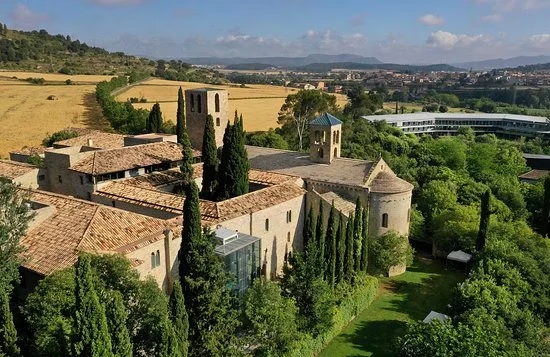
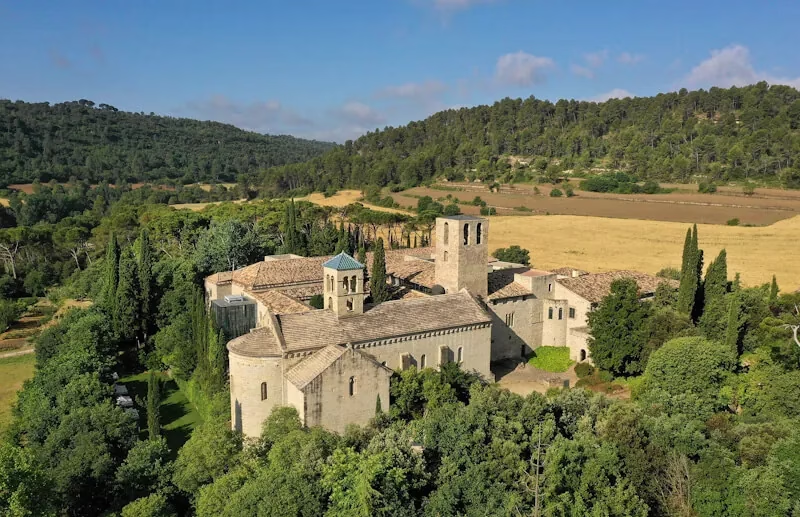
The first leg heads north from Barcelona and takes about an hour, an easy start after arriving in the city. Món Sant Benet combines history, architecture, food, and nature in one place. Its medieval monastery dates back centuries, and visitors can explore its historic spaces and learn about Catalonia’s religious and cultural heritage.
Traditional Catalan Food
Food is a central theme of this route. At Món Sant Benet you can try traditional Catalan cuisine built on seasonal, local ingredients. One famous dish is calçots with romesco sauce. Calçots are green onions traditionally cooked over an open fire and served with a rich sauce made from:
- Almonds
- Hazelnuts
- Tomatoes
- Peppers
- Olive oil
The meal reflects Catalonia’s ties to farming, family gatherings, and local tradition.
Seasonal note: Calçots are mainly a late-autumn-to-spring dish. In summer, ask for the seasonal specialties instead.
Day 2: Penedès Wine Region
Catalonia’s vineyard landscape
From Món Sant Benet, continue to Avinyonet del Penedès. The scenery changes from historic buildings to vineyards, farming communities, and wine production. Penedès is one of Spain’s most important wine areas, especially known for cava.
Why Visit Penedès?
Many travelers drive through without stopping, but the region rewards a visit. You can enjoy:
- Vineyard walks
- Winery visits
- Local food
- Wine tastings
- Rural landscapes
It suits travelers who prefer slow experiences to crowded attractions.
Experience Catalan Wine Culture
A visit here shows how farming traditions have been passed down through generations. Many vineyards combine traditional knowledge with modern sustainable practices. Consider:
- Joining a vineyard tour
- Learning how cava is made
- Tasting local wines
- Visiting family-owned wineries
For wine lovers, this may be the highlight of the trip.
Day 3: Sitges
Beaches, art, and Mediterranean culture
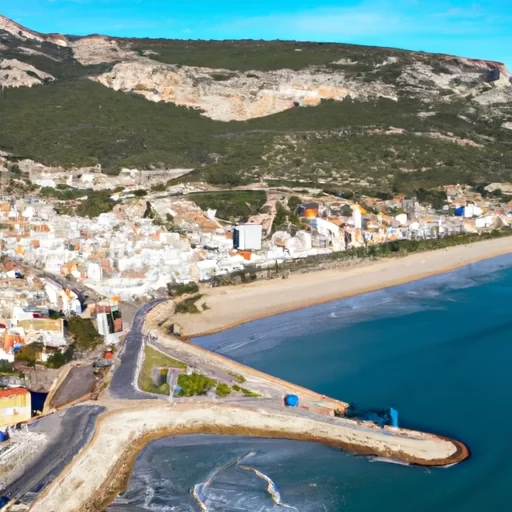
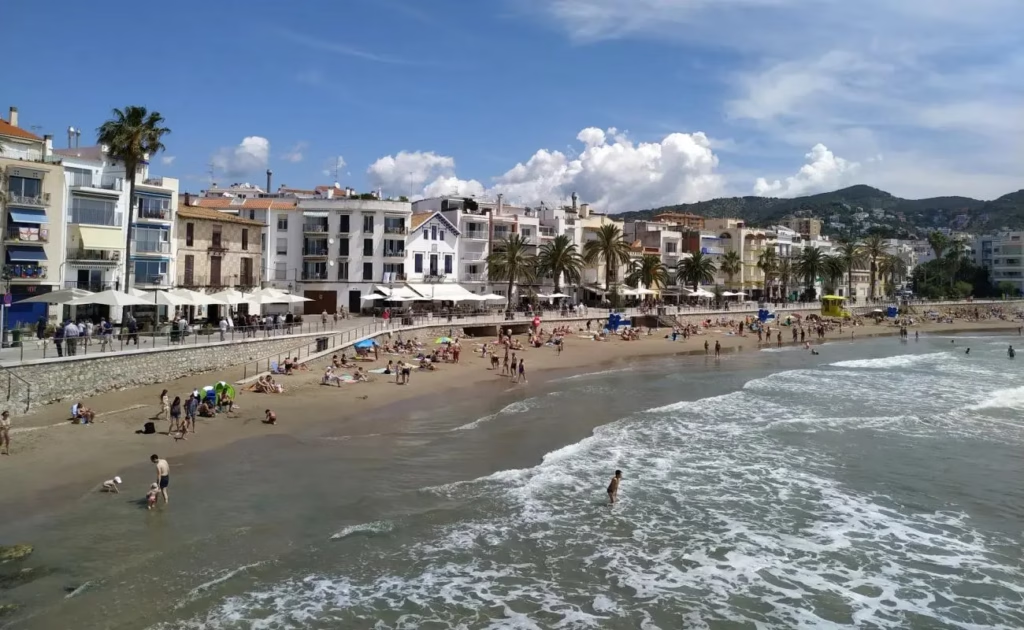
From Penedès, the road descends toward Sitges. The vineyards disappear and the Mediterranean appears. Sitges is one of Catalonia’s most famous coastal towns, and it offers historic streets, modernist architecture, museums, restaurants, and cultural events as well as beaches.
Best Things to Do in Sitges
1. Walk the seafront promenade.
The promenade connects beaches, restaurants, and sea views, and it’s ideal for a relaxed morning walk. Popular beaches include
- Platja de Sant Sebastià
- Platja de la Fragata
- Platja de la Ribera
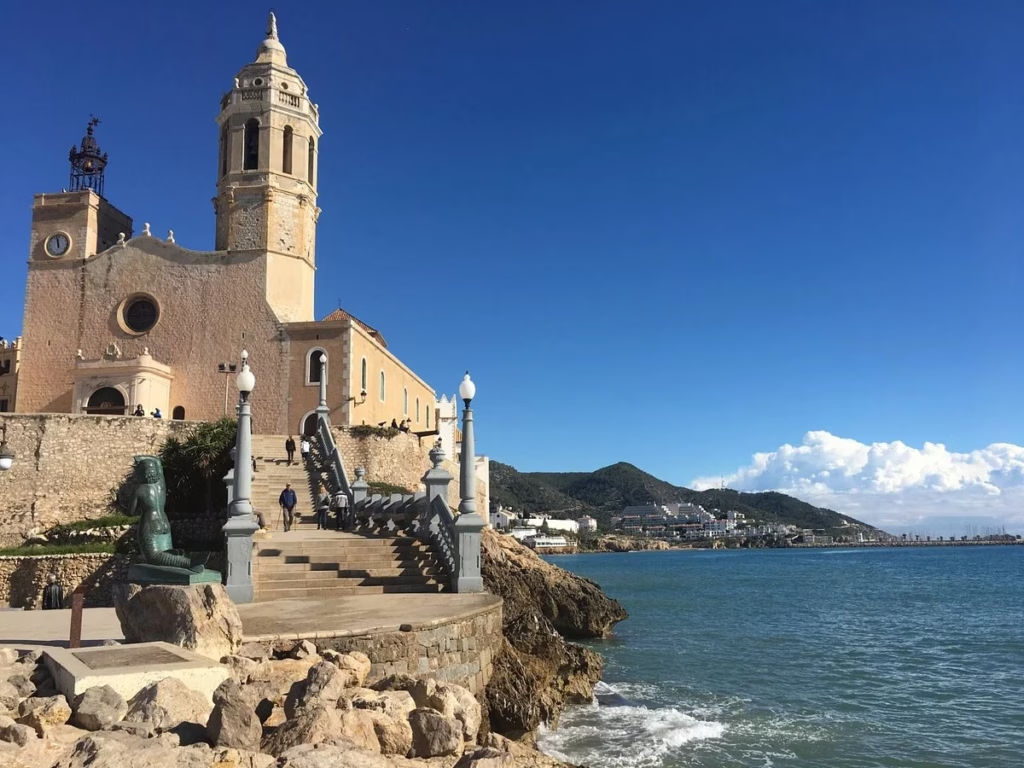
2. Visit the Church of Sant Bartomeu and Santa Tecla.
This church overlooking the Mediterranean is one of Sitges’ best-known landmarks. It’s a favorite spot for photography, sunset views, and coastal scenery.
3. Explore the Cau Ferrat Museum.
Cau Ferrat is closely tied to Catalan Modernism. It was the home and studio of artist Santiago Rusiñol, and it holds artwork, decorative objects, historic collections, and modernist influences. It helps explain why Sitges became an important artistic destination.
4. Visit Maricel Palace
Maricel Palace stands directly beside the sea and is one of Sitges’ most impressive buildings, combining art, history, Mediterranean design, and ocean views.
5. Discover the Cuban connection
Facundo Bacardí Massó, founder of Bacardí rum, was born in Sitges. Casa Bacardi explains the story through exhibitions and experiences focused on the brand’s history and cocktail culture.
6. Explore Garraf Natural Park
For a break from the beach crowds, Garraf Natural Park offers hiking trails, coastal viewpoints, and Mediterranean landscapes.
Where to Eat in Sitges
Try pan amb tomàquet, fresh seafood, grilled fish, octopus dishes, and local wines. A seafood lunch by the sea is a fitting bridge between coastal culture and rural Catalonia.
Day 4: Vilaverd
Authentic rural Catalonia
Leave the coast and drive inland to Vilaverd. This is the biggest contrast of the trip: beaches and cafés give way to quiet streets, stone buildings, and countryside. Vilaverd isn’t a place to rush.
Why Visit Vilaverd?
- Traditional architecture
- Peaceful village streets
- Local hospitality
- Rural landscapes
- Authentic daily life
It works best as a relaxed overnight stop. Walk the narrow streets and enjoy the quieter side of the region.
Day 5: Poblet and Montblanc (Optional)
Medieval Catalonia near Vilaverd
If you have a fifth day, use it for the historic sights around Vilaverd.
Poblet Monastery
One of Catalonia’s most important historical sites and a UNESCO World Heritage Site. Visitors can explore medieval architecture, religious history, and beautiful surroundings.
Montblanc Medieval Town
One of the most charming medieval towns in the area, with historic walls, old streets, and medieval buildings. It’s especially good for history lovers and photographers.
Prades Mountains
Nature lovers can extend the trip into the Prades Mountains for hiking routes, forest landscapes, and scenic viewpoints.
Budget Guide
Costs depend on travel style. These are realistic daily estimates per person or shared cost, depending on how you split the car and room.
| Budget traveler | Comfortable traveler | |
|---|---|---|
| Rental car | €25–45 | €50–100 |
| Fuel | €10–20 | €15–30 |
| Accommodation | €50–90 | €100–180 |
| Food | €25–40 | €40–80 |
| Daily total | €110–195 | €205–390 |
Prices vary by season and booking time.
Best Time for a Catalonia Road Trip
| Season | Best for | Notes |
|---|---|---|
| Spring | Green landscapes, comfortable weather | Fewer crowds |
| Summer | Beaches, long daylight hours | Coastal towns get busy. |
| Autumn | Vineyard harvests, wine experiences, pleasant temperatures | One of the best seasons |
| Winter | Villages, museums, food experiences | Quietest time |
Planning Tips
- Book your rental car early for summer.
- Choose a smaller vehicle for village roads.
- Check parking options in Sitges.
- Download offline maps.
- Reserve winery visits in advance.
- Avoid packing too many stops into one day.
A good road trip isn’t about seeing everything. It’s about enjoying each place.


Ready to Plan Your Catalonia Adventure?
This route gives you a full picture of the region: history at Món Sant Benet, vineyards in Penedès, Mediterranean culture in Sitges and authentic village life in Vilaverd. For travelers who want more than a standard Spain itinerary, it balances famous attractions with hidden experiences.
Before you go, compare rental car options, book your stays, and plan around the places that interest you most.

General Knowledge Base
Accordion Widget for Elementor allows you to present plenty of content in a foldable and concise way.
Vineyards, cava production, wine tourism, and traditional Catalan landscapes.
Yes. It fits well in a Catalonia itinerary, especially combined with Montblanc, Poblet Monastery, and Tarragona province.
4–5 days is ideal for this route. It leaves enough time at each stop without rushing.
Yes. Roads are generally well maintained, and driving gives you access to smaller villages and countryside.
Spring and autumn are usually best, with comfortable temperatures and smaller crowds.
Yes. It offers beaches, museums, modernist architecture, cultural events, and excellent Mediterranean food.