
10 International Travel Safety Tips Every Smart Traveler Should Know (2026 Updated Guide)
Travel can feel more unpredictable in 2026. But smart planning makes it safer than you think. This guide gives you 10 clear, up-to-date safety tips for international trips. Follow them. Stay safe. Enjoy your journey.
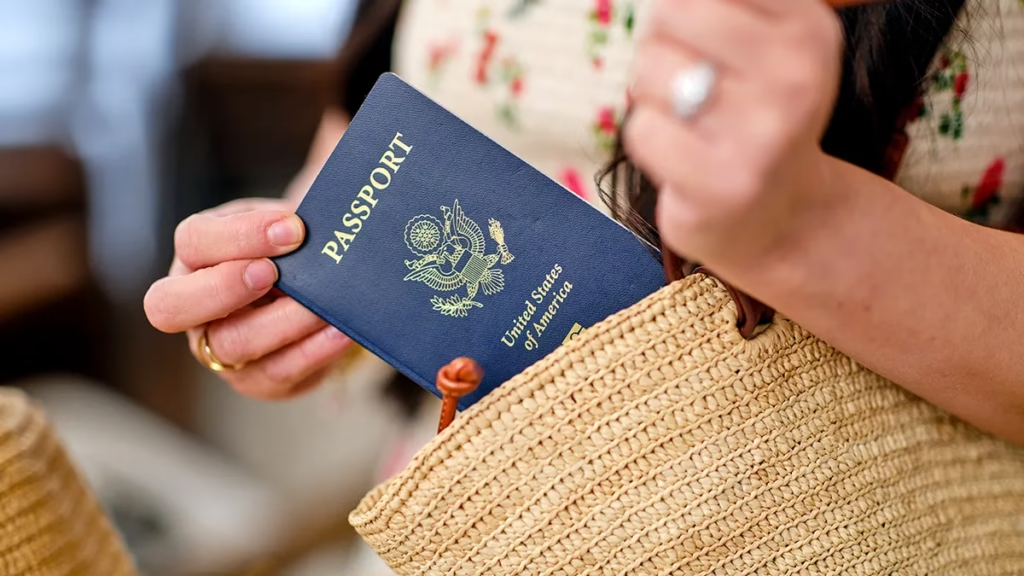
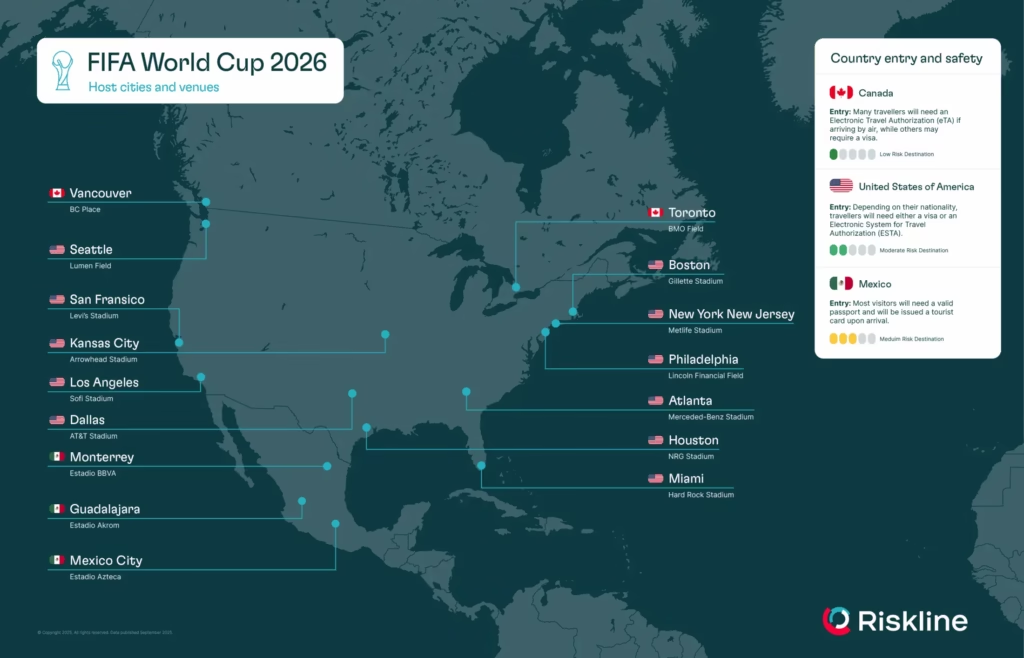
1. Check Travel Advisories Before You Book
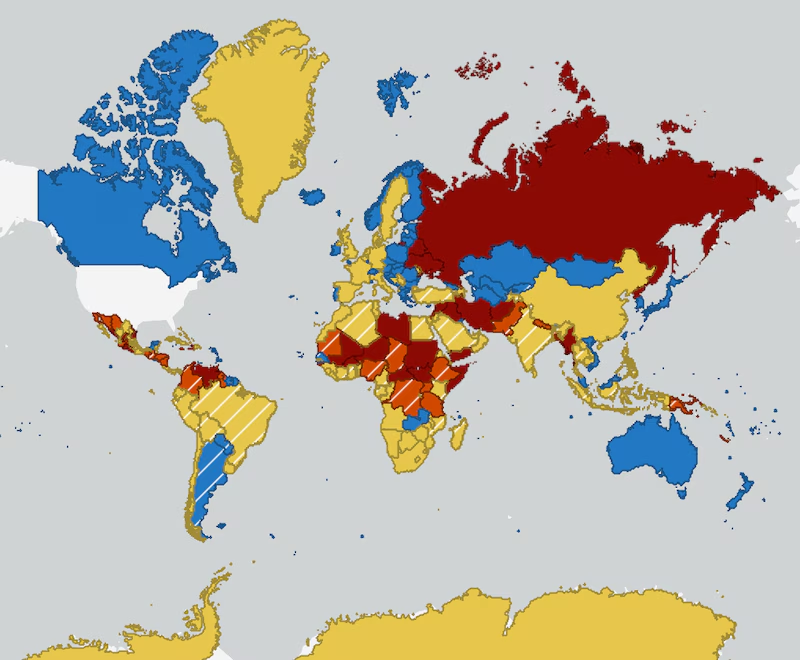
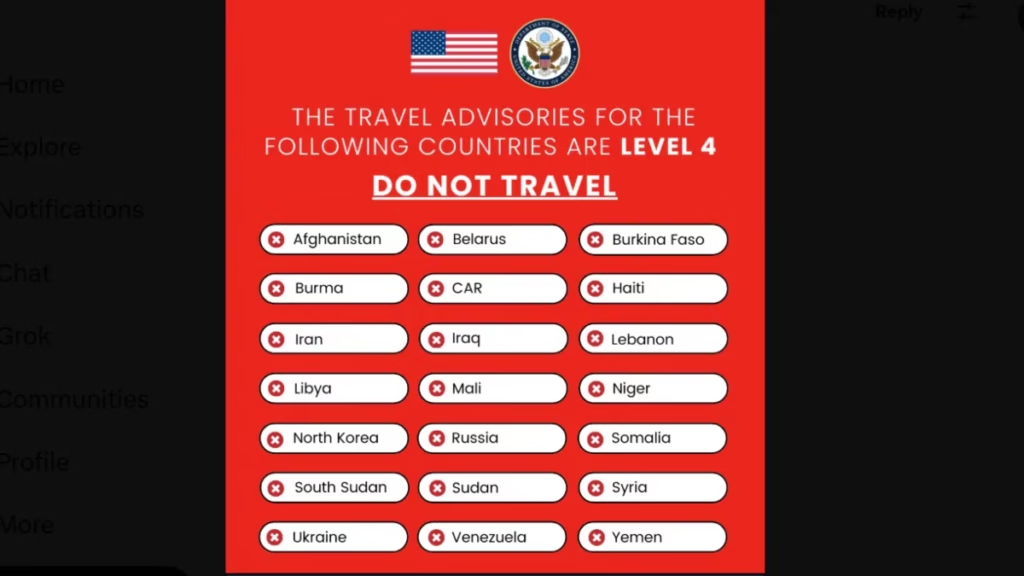
Always check your government’s travel advisory before you buy anything. Look at the risk level for each country and even specific regions. Links like the U.S. State Department, Smartraveller (Australia), or similar sites show real-time alerts.
Use them to avoid high-risk areas or politically sensitive zones in 2026. Bookmark that page. Open it again 24–48 hours before you leave.
2. Register Your Trip with Your Government
Many governments offer free traveler-registration programs. In the U.S., this is the Smart Traveler Enrollment Program (STEP). When you register, you get alerts about safety issues, strikes, or natural disasters.
Your embassy also knows where you are if something goes wrong. Do this for every country. Even if you think it is “safe.”
3. Research Local Laws and Customs
Every country has different rules. In some places, simple photos or social-media posts can get you into trouble. Read basic cultural rules and local laws.
Understand what you can and cannot film, wear, or say in public. Ask your local hotel or tour operator for a quick safety overview when you arrive. This small step prevents big problems later.

4. Protect Your Phone, Data, and Accounts
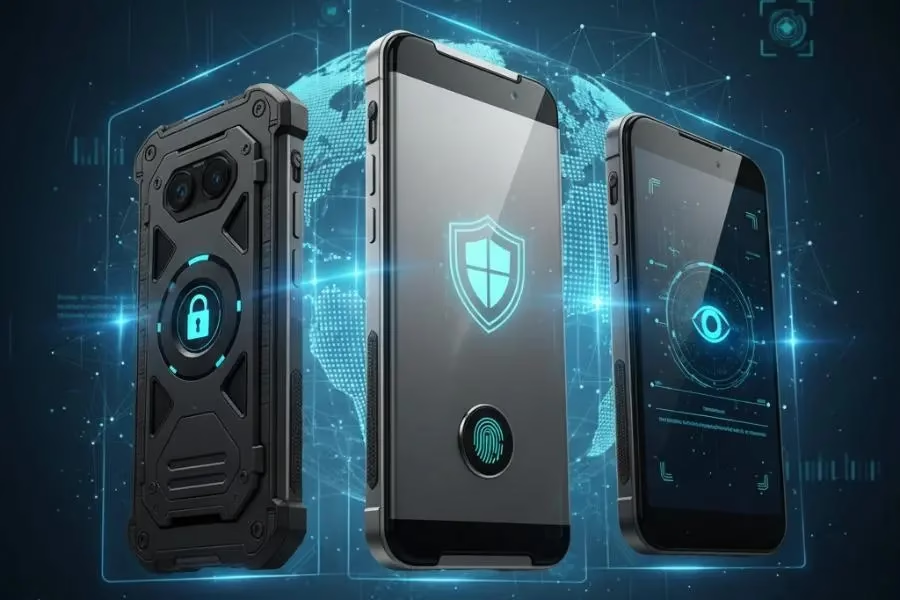
Use a strong password and two-factor authentication on all travel apps. Turn on alerts for your bank and credit cards. Avoid using public Wi-Fi for logins or payments.
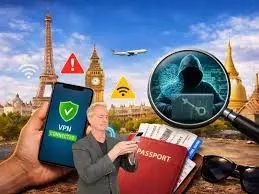
If you must use it, connect through a trusted VPN. In 2026, many countries check electronic devices at borders. Know your rights and rules before entry.

5. Keep Your Itinerary With Someone at Home
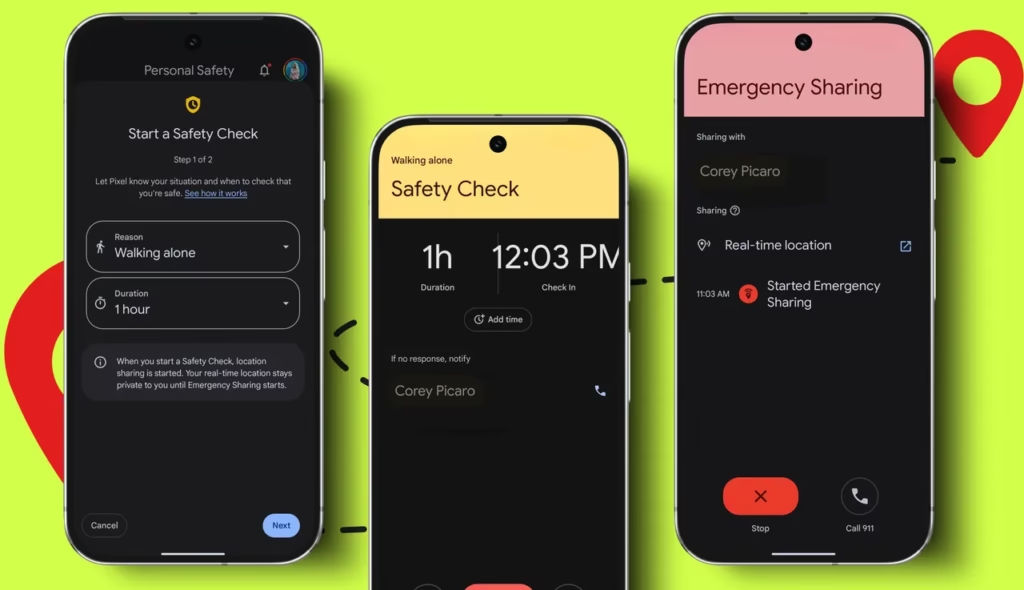
Share your full itinerary with at least one trusted person. Include flight numbers, hotel names, and contact details. Ask them to check in on you at key moments. Missed check-ins can trigger quick help if something goes wrong.
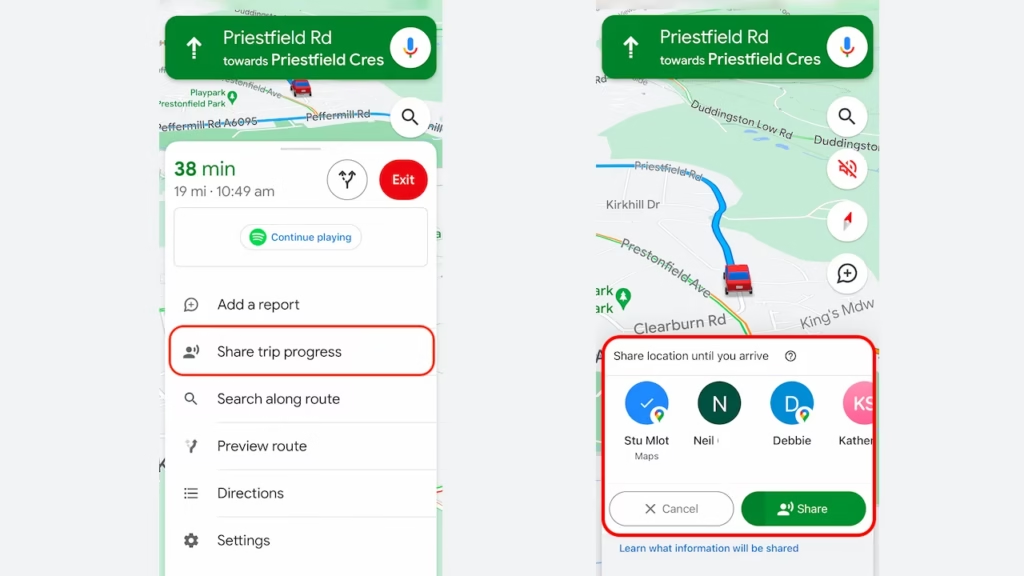
You can also use simple travel-sharing apps to show your location. This is not spying. It is safety.
6. Use Safe, Verified Transportation
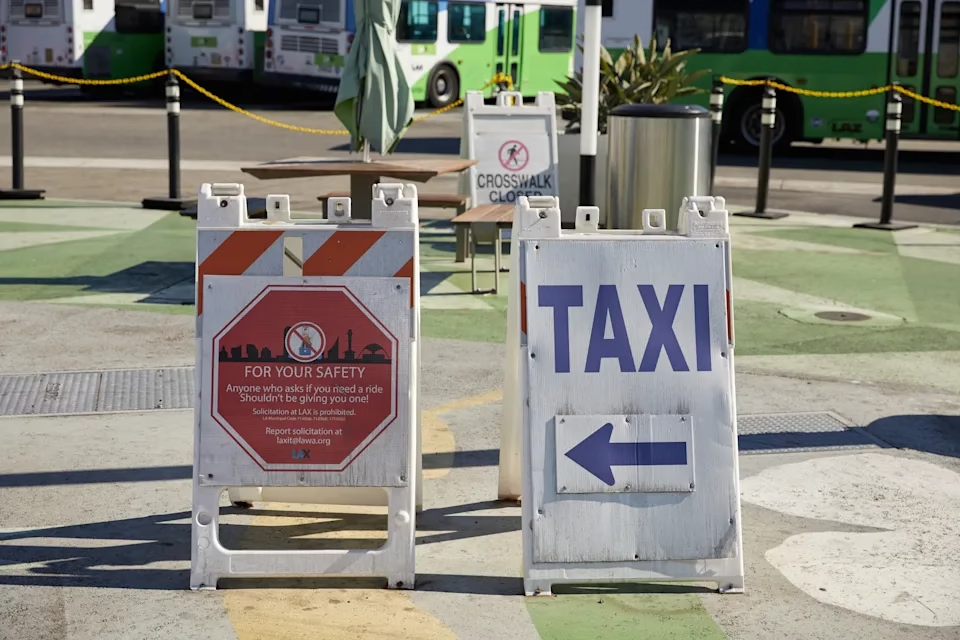
Always use official taxis, licensed rideshares, or hotel-recommended cars. Check the driver’s name, car number, and license in the app before you get in.
Avoid random street pickups or unmarked vehicles. If something feels off, walk away or call the hotel. For long trips, share your ride-share trip link with someone at home. Let them track your safety in real time.
7. Keep Valuables and Documents Secure
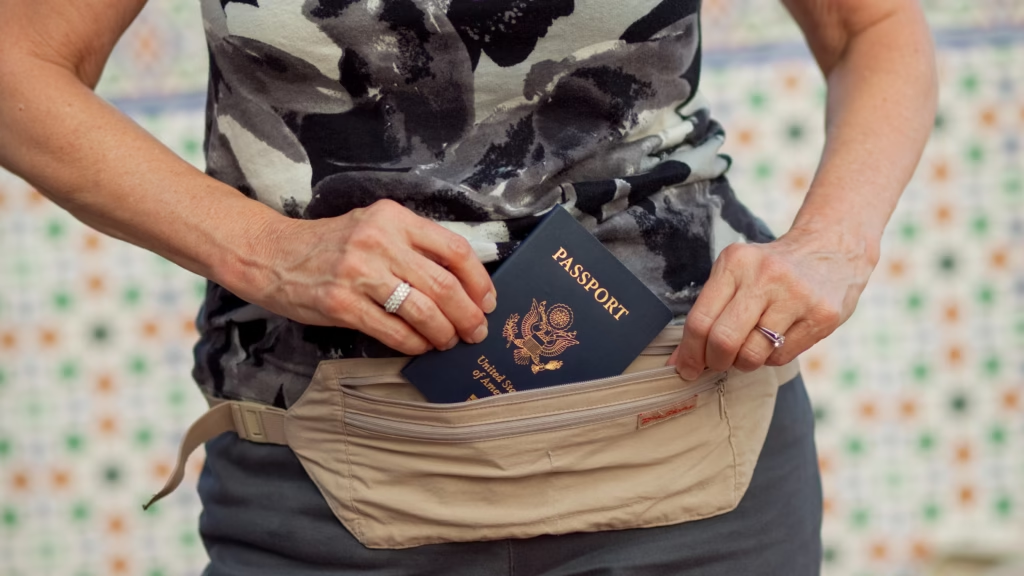
Use a hidden money belt or anti-theft bag in crowded areas. Split your cash, cards, and ID into different places. Never keep everything in one pocket or one bag.
If someone steals your wallet, you still have a backup card and ID. Use a small, lockable suitcase or backpack for your main documents. This is safer than leaving everything loose in your main bag.

8. Stay Alert and Avoid Distractions
Many thefts happen when travelers are distracted. Keep your phone in your pocket, not in your hand, while walking. Stay aware in busy markets, transit hubs, and tourist spots.
Look around. Trust your gut. If something feels wrong, move away. Don’t walk while staring at your screen. Project confidence. Walk with purpose.
9. Have a Simple Emergency Plan
Agree on a simple emergency plan with travel partners. Decide where to meet if you get lost. Pick a clear landmark or café. Save local emergency numbers in your phone. Not every country uses 911. Know what to dial. Carry a small note with your name, hotel, and emergency contact. Keep it in your wallet or on your phone.

10. Buy Travel Insurance That Actually Fits You
Many travelers skip travel insurance. Others buy cheap plans that don’t cover real-world risks. In 2026, choose a policy that covers:
- medical emergencies and hospital costs.
- trip cancellations and major delays.
- lost or stolen luggage and electronics.
Read the fine print. Ask if your existing credit card already offers any coverage. If you are a solo traveler, digital nomad, or visiting high-risk regions, get extra medical and evacuation coverage.
Frequently Asked Questions (FAQs)
Below are common questions travelers ask about staying safe on international trips.
Q1: Is it safe to travel internationally in 2026?
Many countries are safe to visit in 2026 if you plan carefully.
Check your government’s travel advisory, avoid high‑risk areas, and follow basic safety habits.
Most problems happen due to poor planning, not the destination itself.
Q2: Do I need travel insurance for every trip?
Yes. Even short trips can bring medical issues, delays, or lost luggage.
Choose a plan that covers real‑world costs where you’re going.
Some credit cards offer basic coverage, but they often miss big medical or evacuation costs.
Q3: How can I stay safe as a solo traveler?
Stay aware, avoid risky areas at night, and share your location with someone at home.
Use trusted transport, stay in safe neighborhoods, and register your trip with your government.
Many solo travelers feel safer than they expect when they follow these steps.
Q4: What should I do if my passport is stolen abroad?
First, report it to local police and get a written report.
Then contact your nearest embassy or consulate.
Bring copies of your passport, ID, and travel documents.
They can issue an emergency passport so you can go home.
Q5: How can I protect my phone and data while traveling?
Use strong passwords and two‑factor authentication on all accounts.
Avoid public Wi‑Fi for logins or payments.
Use a trusted VPN if you must connect from public networks.
Turn on “Lost Mode” or similar features on your phone so you can track or wipe it remotely.
Q6: Should I carry cash or only cards abroad?
Use both.
Keep a mix of cash and cards in different places.
Many small vendors only accept cash, but cards are safer for big purchases.
If one card is lost or stolen, you still have backups.
Q7: How can I check if my destination is safe right now?
Check your government’s travel advisory site before you book and before you leave.
These sites update quickly for strikes, protests, health issues, or natural disasters.
You can also enable push alerts or email alerts for your destinations.
Call to Action
Travel‑safety mistakes are easy to avoid when you know what to do.
This guide gives you 10 strong habits you can start today.
What you can do now:
– Save this page to your phone or bookmarks for your next trip.
– Share it with a friend or family member who is traveling soon.
– Comment below with your biggest travel‑safety concern, and we’ll help you work through it.
Want more safety‑focused travel tips?
Subscribe to our email list or follow our blog for weekly updates on:
safe packing lists,
smart travel apps, and
real‑world safety stories from experienced travelers.
Ready to travel smarter in 2026?
Start your next trip with a solid safety plan, not fear.
Bookmark this guide. Use these tips. Then go out and explore the world safely.