
Homesick While Traveling? Science-Backed Ways to Cope
Introduction
Travel is exciting. But sometimes, the thrill fades. You miss home. You feel out of place. You wonder if you’re the only one struggling. You’re not. Homesickness while traveling is normal. Science explains why it happens—and how you can cope. This guide gives you research-backed answers, not just clichés. Let’s break down the real reasons for homesickness and what you can do about it.

Why Homesickness Happens: The Science Explained
Homesickness is not weakness. It’s a natural response. Psychologists call it a form of separation anxiety. John Bowlby’s attachment theory explains it best. We form deep bonds with people, places, and routines. When we leave them, our brains react. Stress hormones like cortisol rise. You feel anxious, sad, or even physically sick.
Travelers and expats report similar rates. The emotional pain is real. It can cause headaches, stomach issues, and trouble sleeping.
But why does it hurt so much? Your brain craves the familiar. When you lose your daily anchors—your bed, your coffee shop, your friends—your sense of safety drops. The result? You long for home, even if you love your new adventure.
Pro Tip:
Feeling homesick means you have strong connections. It’s a sign of love, not failure.
Common Triggers: From Culture Shock to Social Belonging

Homesickness has many triggers. Culture shock tops the list. New customs, foods, and social rules can overwhelm you. You feel lost. Social isolation makes it worse. If you struggle to make friends, loneliness grows.
Losing your routine is another big trigger. When your days lack structure, anxiety creeps in. Language barriers add to the stress. If you can’t communicate, you feel cut off from daily life.
Physical symptoms often follow. Headaches, stomach aches, and sleep problems are common.
Some travelers even report panic attacks or depression if homesickness lingers.
| Trigger | Impact on Traveler |
|---|---|
| Culture shock | Confusion, anxiety, withdrawal |
| Social isolation | Loneliness, sadness, low energy |
| Loss of routine | Anxiety, lack of control |
| Language barriers | Frustration, alienation |
| Somatic symptoms | Headaches, sleep issues, fatigue |
Pro Tip:
Build a simple daily routine. Even small habits—like morning walks or journaling—help restore control.
Solastalgia: When Home Changes While You’re Away

Sometimes, you return home, and it feels different. Maybe your favorite café closed. Maybe your friends moved on. This is solastalgia—a grief for a changed home.
Unlike nostalgia, which is missing a place you left, solastalgia is missing the way home used to be, even if you’re still there. Research shows solastalgia increases distress. For every 1-point rise on the solastalgia scale, psychological distress jumps by 26%.
Long-term travelers and expats feel this deeply. You come back, but home isn’t the same. The loss can be sharp. Solastalgia matters. It explains why some travelers feel worse after returning than while away. It’s not just missing home—it’s grieving what’s changed.
Pro Tip:
Before returning, reach out to friends and family. Ask about changes. Prepare yourself for what’s new.
The Role of Social Media: Help or Hindrance?
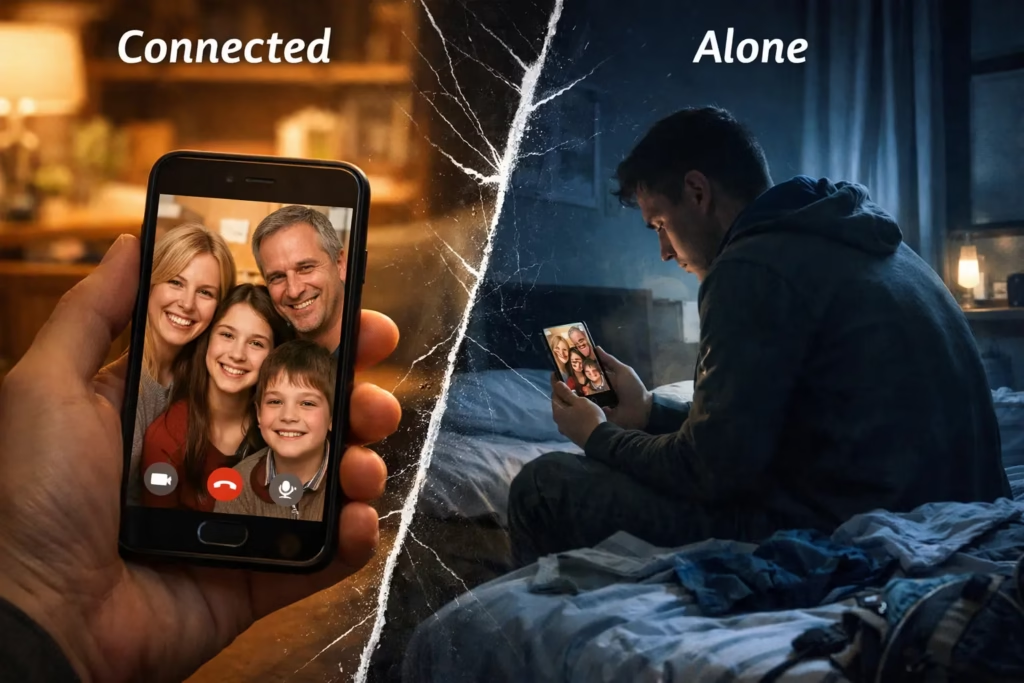
Social media is a double-edged sword. It keeps you connected to home. You can video chat, share photos, and stay updated. This support helps reduce loneliness.
However, too much contact can backfire. Constantly checking updates from home can make you feel more distant. It reminds you of what you’re missing. It can also stop you from making new friends locally.
Studies show that while social media offers comfort, it can also trap you in the past. You may struggle to adjust if you never unplug.
Pro Tip:
Set boundaries. Schedule “home check-in” times. Spend the rest of your day focused on your current surroundings.
Coping Strategies That Actually Work (Beyond “Stay Busy”)

Generic advice like “stay busy” rarely helps. Science points to better strategies:
1. Behavioral Activation
Do activities you enjoy—even if you don’t feel like it. This boosts your mood and creates positive memories.
Pro Tip:
Make a list of three things you love. Schedule one each day.
2. Environmental Anchoring
Bring familiar objects. A favorite mug, a photo, or a playlist can make a new place feel like home.
Pro Tip:
Create a “Home Anchor Kit” for every trip. Unpack it first.
3. Mindfulness
Practice being present. Mindful breathing or walks help calm anxiety and reduce rumination.
Pro Tip:
Try a five-minute breathing exercise each morning.
4. Cognitive Reframing
Challenge negative thoughts. Instead of “I don’t belong,” try “I’m learning new things every day.”
Pro Tip:
Write down one positive thing about your experience each night.
5. Routine-Building
Set a daily schedule. Regular meals, exercise, and sleep times restore stability.
Pro Tip:
Start and end your day with the same ritual, no matter where you are.
All these strategies are endorsed by the APA and NHS for travel adjustment.
When to Seek Help: Therapy and Digital Support Options
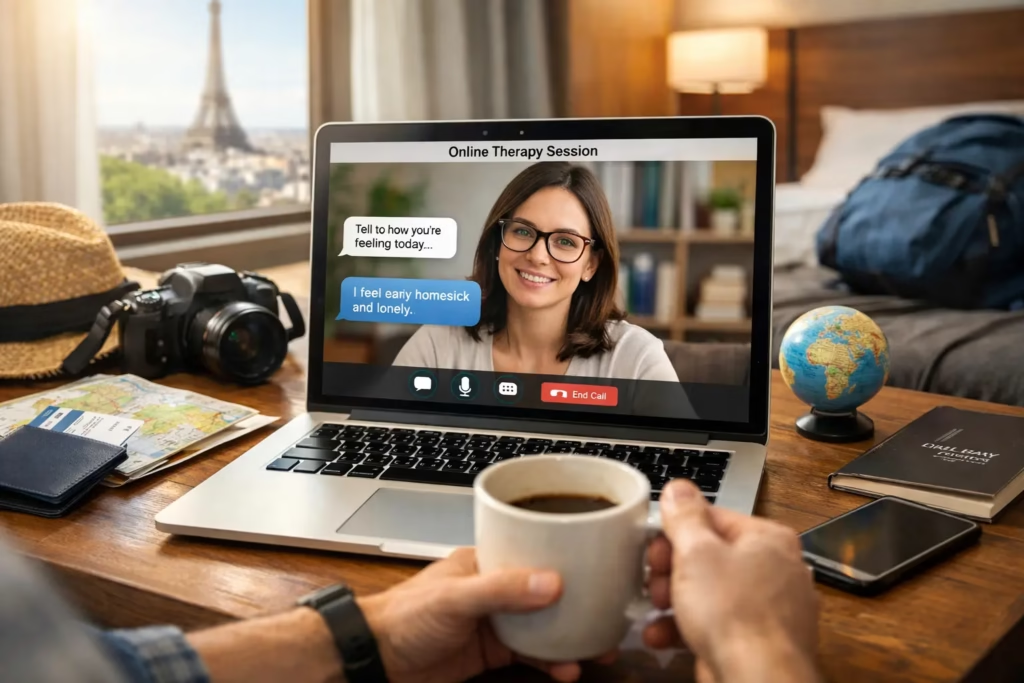
Most homesickness fades. But sometimes, it lingers or worsens. Watch for these warning signs:
- Low mood most days for two weeks or more
- Withdrawing from all social contact
- Losing interest in things you once enjoyed
- Trouble sleeping or eating
- Thoughts of self-harm or hopelessness
If you notice these, seek help. Digital therapy makes support accessible anywhere. Here’s a quick guide:
| Platform | Features & Access |
|---|---|
| BetterHelp | Online therapy, 56+ languages, flexible scheduling |
| Talkspace | Therapy and psychiatry, 30+ languages, medication management |
| TherapyRoute | Connects you to therapists worldwide, including expat specialists |
| AgoraExpat | Guides expats to telehealth and therapists in their language |
Pro Tip:
Don’t wait for a crisis. Try a digital therapy session early if you feel stuck.
Building Resilience: Turning Homesickness Into Growth
Homesickness can be a catalyst for growth. Resilience means adapting and thriving, even when it’s hard. Here’s how:
- Reflect on past challenges. Remember what you’ve overcome before.
- Recognize progress. Celebrate small wins—like making a new friend or learning a phrase.
- Plan ahead. Anticipate tough days and prepare coping tools.
- Practice self-compassion. Be kind to yourself. Adjustment takes time.
The APA and NHS recommend these steps for building resilience.
Pro Tip:
Use a journal. Write down one thing you learned or achieved each week.
Homesickness signals that you care deeply about your roots. It’s not a flaw. It’s proof of meaningful attachment.
FAQ
Q1: Why do I feel homesick even when I’m excited to travel?
Homesickness is a normal stress response. Your brain misses familiar routines and people. Excitement and longing can coexist.
Q2: What is solastalgia, and how is it different from nostalgia?
Solastalgia is grief for a changed home environment. Nostalgia is missing a place you left. Solastalgia hits when home changes while you’re away.
Q3: Does social media help or hurt homesickness?
It does both. Social media keeps you connected but can also intensify longing and block local integration if overused.
Q4: What are the best science-backed coping strategies?
Behavioral activation, environmental anchoring, mindfulness, cognitive reframing, and routine-building all help. These are supported by mental health experts.
Q5: When should I seek professional help for homesickness?
If low mood, withdrawal, or hopelessness lasts more than two weeks, or if you have thoughts of self-harm, seek help immediately. Digital therapy is available worldwide.
Conclusion
Homesickness while traveling is common. It’s rooted in science, not weakness. You can manage it with proven strategies—behavioral activation, environmental anchoring, mindfulness, and more. If you need extra support, digital therapy is just a click away. Remember, homesickness means you have something worth missing. With time and the right tools, you can turn it into growth. For more expert travel mental health tips, check out our long-term travel adjustment guide, digital nomad wellness resources, and coping with culture shock.