
Garden Route South Africa Guide 2026 | Stops, Beaches, Hikes and Itinerary
Garden Route road trip,
Intro Paragraph
Some road trips exist only to take you to the next hotel. The Garden Route South Africa experience is different because the drive itself is the destination. One morning starts on a wide beach in Wilderness, lunch is beside the Knysna Lagoon, and the afternoon disappears into the indigenous forest.
This Garden Route itinerary guide covers every major stop between Mossel Bay and Storms River, including current 2026 park fees, the strongest things to do on the Garden Route, and honest advice on how many days you actually need. Give this trip five to seven days, not three, and it will feel like a holiday instead of a checklist.
Garden Route — Best South Africa Road Trip Destination
Some road trips are just a way to reach the next hotel, but the Garden Route South Africa route earns its reputation because the road itself becomes part of the trip.
One morning might begin beside a wide beach in Wilderness, and by lunchtime you could be sitting next to the Knysna Lagoon watching boats drift past.
According to South African Tourism, the classic route runs from Mossel Bay to Storms River, and SANParks protects much of its most important scenery through Garden Route
National Park, which links Wilderness, Knysna, and Tsitsikamma through forests, rivers, lakes, estuaries, and fynbos. That protected network is exactly why the route rewards travelers who slow down instead of rushing the N2.
Quick answer: The Garden Route is South Africa’s strongest first road trip for beaches, forests, lagoons, and small coastal towns. Plan at least five days and go for seven if you want Plettenberg Bay, Robberg, and Tsitsikamma without feeling rushed.
Garden Route at a Glance
| Travel Question | Quick Answer |
|---|---|
| Best for | Road trips, beaches, nature, couples and families |
| Classic route | Mossel Bay to Storms River |
| Approximate length | Around 300 km |
| Main road | N2 |
| Recommended trip length | 5 to 7 days |
| Minimum worthwhile trip | 3 to 4 days |
| Best airport | George Airport |
| Best base for nature | Wilderness |
| Best all-round town | Knysna |
| Best for beaches | Plettenberg Bay |
| Best for hiking | Robberg and Tsitsikamma |
| Best final stop | Storms River |
| Best safari extension | Addo Elephant National Park |
According to South African Tourism, the main route follows the N2 between Mossel Bay and Storms River, with George positioned as the most convenient airport roughly in the middle of the region. That central location is why most rental-car itineraries start or end near George rather than at either coastal tip.
Where Is the Garden Route?
The Garden Route South Africa region runs along the country’s southern coastline, and South African Tourism describes it as roughly 300 kilometers of the N2 linking a chain of coastal towns and protected natural areas, starting near Mossel Bay and continuing east toward Storms River.
Cape Town sits to the west, while Addo and Gqeberha lie farther east, so a natural overland sequence forms: Cape Town, then the Cape Winelands, then the Garden Route, then Addo. You keep moving forward the whole trip, with minimal backtracking, and each stage of the journey feels genuinely different from the last.
Is the Garden Route Worth Visiting?
Yes, and it’s particularly worth it if you like driving independently but don’t want to spend an entire trip in remote wilderness. Restaurants are easy to find, accommodation ranges from budget to luxury, and towns appear regularly enough that comfort never feels far away.
SANParks describes Garden Route National Park as a landscape of cliffs, coves, rivers, lakes, and forests, home to 77 recorded mammal species and around 300 bird species, where hiking, kayaking, and birdwatching are at the center of daily life.
You can genuinely hike in the morning, shower at a comfortable hotel by afternoon, and eat well that same evening.
How Many Days Do You Need on the Garden Route?
Three Days
Three days is possible but tight, forcing you to pick only a handful of stops. A realistic short version covers Mossel Bay and Wilderness on day one, Knysna and Plettenberg Bay on day two, and then Tsitsikamma on day three. It beats skipping the route entirely, but it leaves almost no room for real hiking or a proper beach day.
Five to Seven Days
Five days is a strong starting point that allows two-night bases and room for Robberg and a proper Tsitsikamma visit. Seven days is my personal preference, because you’re not packing every morning, one rainy day won’t wreck the schedule, and the trip finally starts feeling like a holiday on the Garden Route rather than a driving challenge.
Best Garden Route Stops
Not every stop deserves equal time. Some towns are worth a few hours, while others earn two full nights, and the strongest itineraries are built around that uneven pacing rather than a flat checklist.
Mossel Bay
Mossel Bay sits near the western start of the classic route, and it’s all too simple to drive straight through, which would be a mistake if your schedule allows more.
Mossel Bay Tourism now promotes the town heavily for adventure, offering water, mountain, beach, and dune activities alongside its historical waterfront sites.
Spend time at the waterfront, visit Santos Beach, and consider a boat trip or snorkeling session before continuing east. The official tourism route also highlights fishing charters and waterfront restaurants, so treat the area as your first relaxed overnight stop rather than a lunch break. One night works well, but two nights suit travellers who want to fit in the adventure activities properly.
Wilderness
Wilderness is where the Garden Route, South Africa, trip starts to feel genuinely green, with lakes, rivers, and mountains framing a long open beach behind the village.
SANParks highlights canoeing, birdwatching, fishing, and hiking through this interconnected system of rivers, lakes, estuaries, and forests, and the atmosphere here doesn’t need a long attraction list to justify a stay.
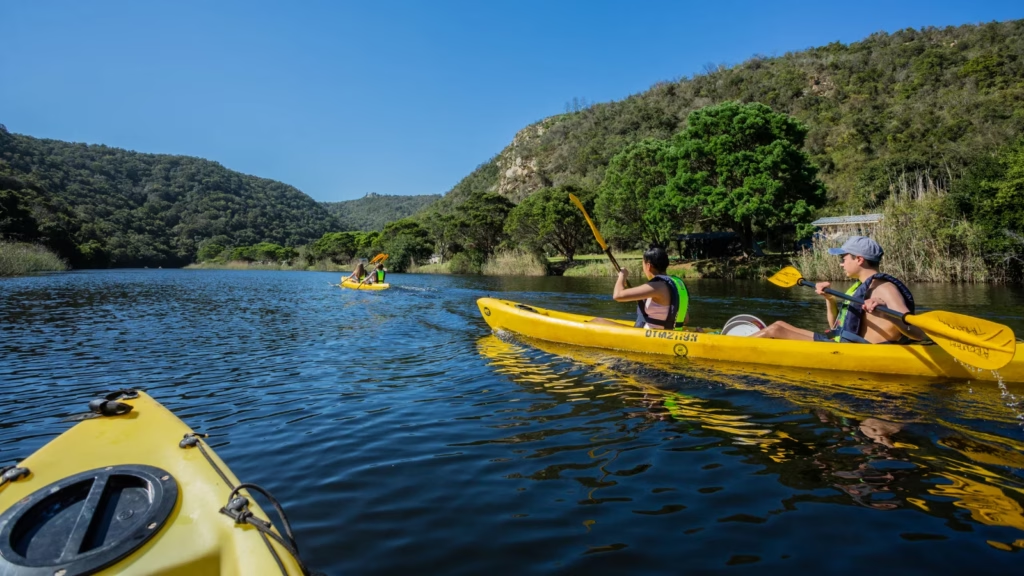
Canoes can be rented at Ebb and Flow Rest Camp for a paddle along the Touw River, where SANParks notes visitors regularly spot kingfishers and Knysna turacos through the indigenous forest. Ebb and Flow itself sits about 15 kilometers from George and two kilometers from Wilderness Village, offering riverside camping and log-cabin accommodation.
Pair the paddle with a forest trail walk and an unhurried afternoon on Wilderness Beach, and two nights become the ideal stay length here.
Knysna
Knysna works as one of the easiest Garden Route stops to base yourself in, thanks to plentiful restaurants, broad accommodation choices, and a lagoon that gives the town real identity.
The Knysna Heads, where the lagoon meets the ocean, frame some of the route’s strongest viewpoints, and daylight visits reward you as the light shifts throughout the afternoon.
SANParks protects the Knysna section as part of Garden Route National Park and notes that the endangered Knysna seahorse naturally occurs only in the Knysna, Keurbooms, and Swartvlei estuaries, a reminder that this region’s value isn’t only scenic.
Behind the lagoon, SANParks highlights giant Outeniqua yellowwoods, some hundreds of years old, making a forest walk here a useful contrast after several beach-heavy days. Two nights suits most visitors, and three works well if Knysna becomes your main base.
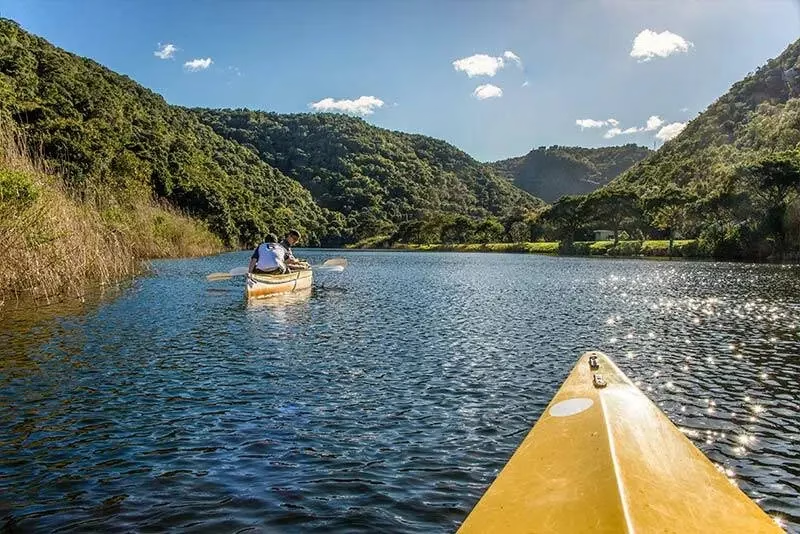
A forest walk here is a useful contrast after several beach-heavy days. Two nights suits most visitors, and three works well if Knysna becomes your main base.
Plettenberg Bay
Plettenberg Bay is where many travelers wish they’d booked an extra night, because Plett combines beaches, hiking, marine life, and restaurants while sitting close enough to Tsitsikamma for easy onward travel.
Plett Tourism describes roughly 15 kilometers of beach along the coastline between Keurboomstrand and the Robberg Peninsula, with six current Blue Flag beaches: Robberg 5, Lookout Beach, Keurboomstrand, The Dunes, The Singing Kettle, and Nature’s Valley.
Robberg Beach delivers classic coastal scenery with views toward the nature reserve, while Lookout Beach tends to feel more relaxed and informal, though swimming conditions vary, so always check current lifeguard advice.
Plett Tourism runs seasonal lifeguard coverage and shark-spotting programs at its major beaches, so don’t assume calm-looking water is automatically safe. Stay two to three nights here to properly split time between beaches and Robberg.
Robberg Nature Reserve
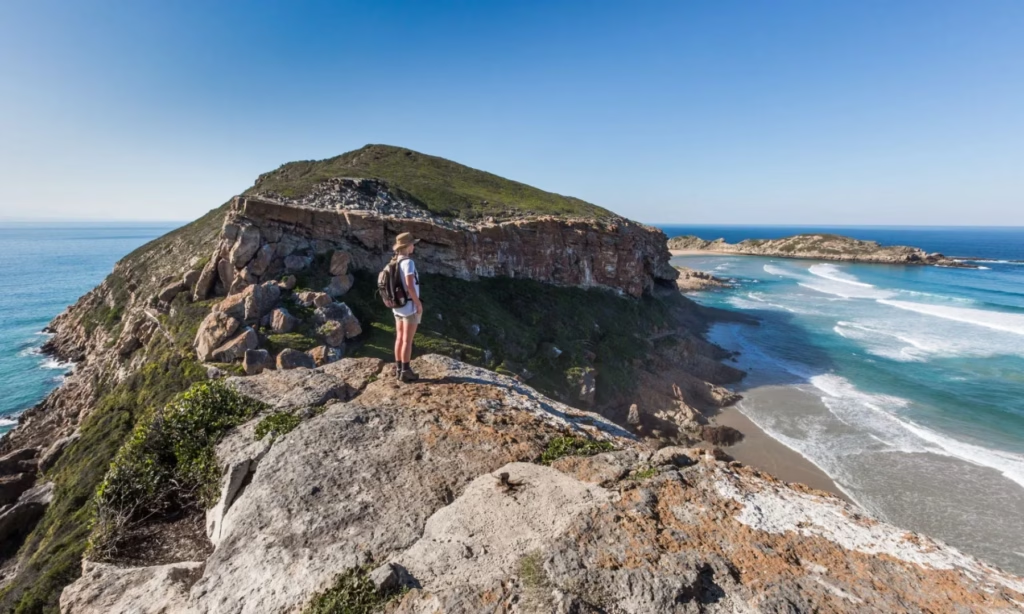
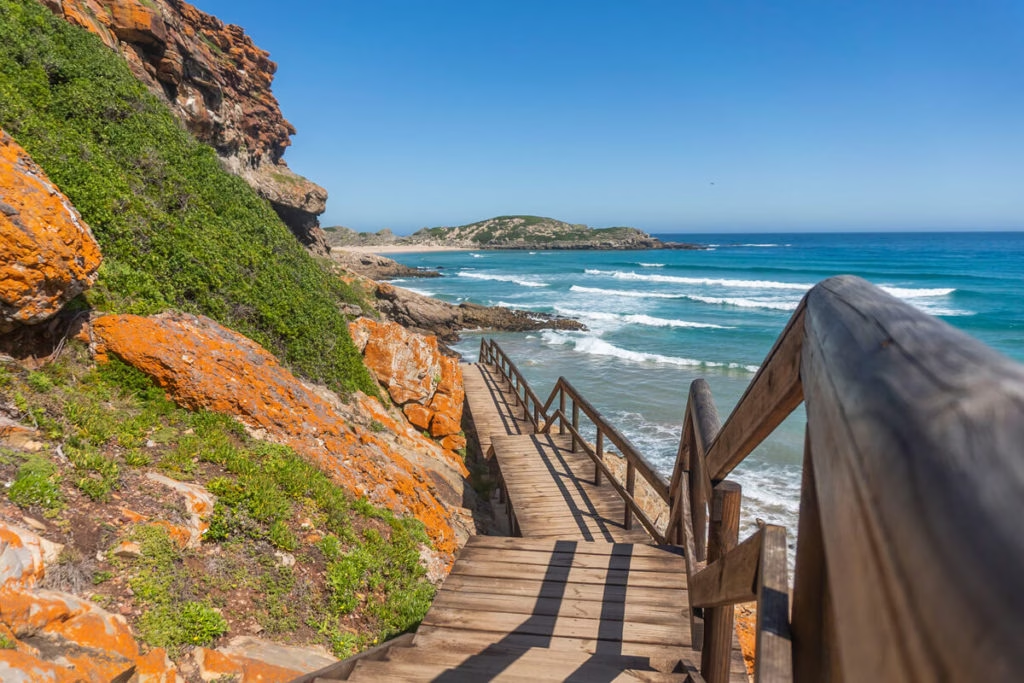
If you do only one serious coastal hike on the entire Garden Route road trip, make it Robberg. The peninsula juts into the ocean just outside Plett, with cliffs rising above the water, seals frequently visible along the coast, and a wilder feel than the town only minutes away.
CapeNature currently charges R75 for adult day access and R55 for children aged 4 to 17, and different route lengths let hikers choose based on fitness and time. Bring water and proper gear, since sun exposure and coastal wind can shift quickly, and check conditions before setting out on the longer loop.
CapeNature also operates the remote Fountain Shack, reachable only on foot, and specifically warns against attempting that route in rain, mist, or darkness.
Nature’s Valley
Nature’s Valley lives up to its name with a forest, river, lagoon, and beach in one quiet stretch between Plettenberg Bay and Tsitsikamma, forming part of the Tsitsikamma section of Garden Route National Park. If Plett starts to feel too busy, Nature’s Valley is the answer.
Come here for quieter beach time, forest walks, birdlife, and river scenery, plus easy access into the Tsitsikamma landscapes ahead. The beach also holds Blue Flag status as part of the wider Plett region, making it a legitimate overnight stop rather than just a pass-through on the way to Storms River.
Tsitsikamma
Tsitsikamma delivers one of the Garden Route’s strongest endings, where the coastline turns rugged and forest grows right up against the ocean. Storms River Mouth Rest Camp sits directly inside this landscape, and SANParks lists dolphins, porpoises, African black oystercatchers, Cape clawless otters, and blue duiker among the species associated with the area.
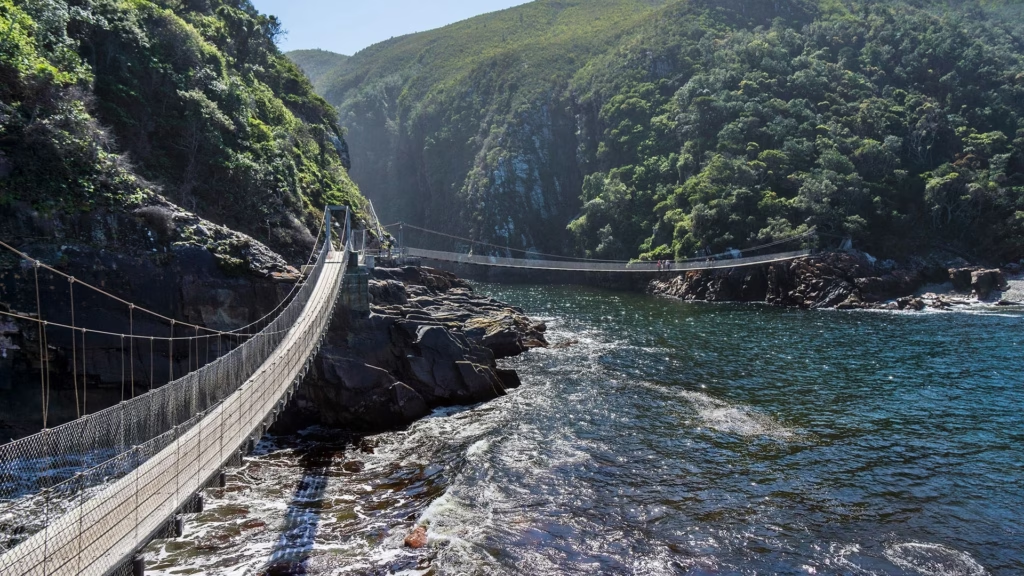
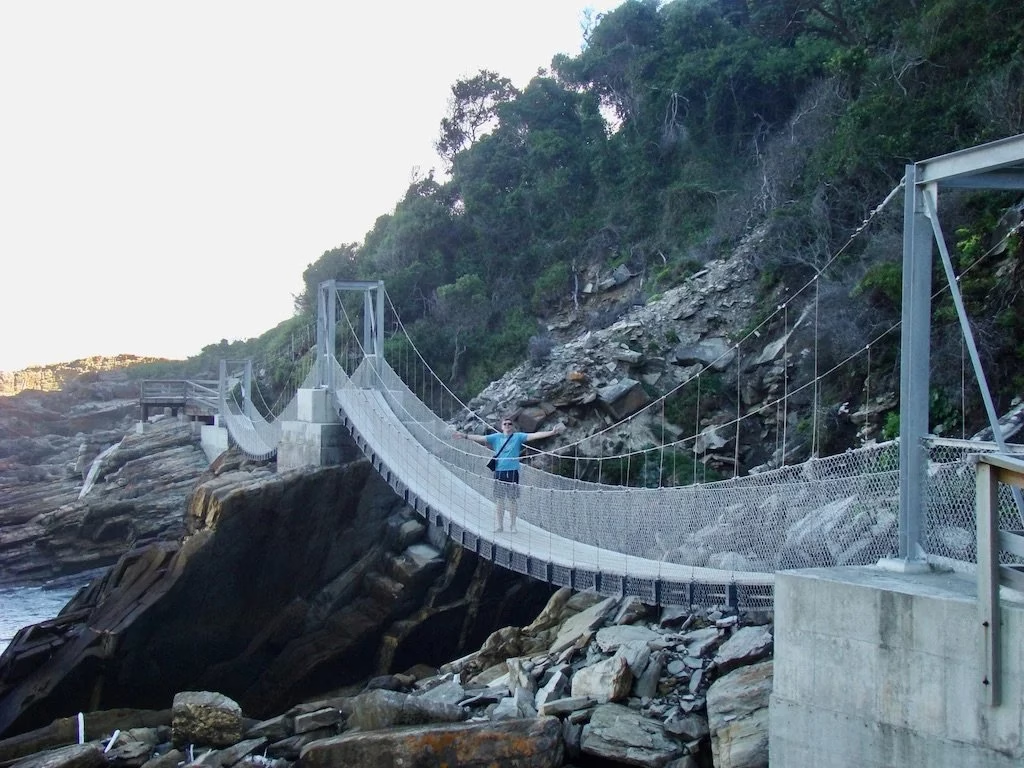
Storms River Mouth itself deserves more than a quick photo stop, and the Storms River Suspension Bridge is one of the region’s most recognisable attractions. SANParks scheduled all three suspension bridges to return to full public access from 1 August 2026 following refurbishment work, though weather and maintenance notices can still affect access, so check current SANParks updates shortly before visiting.
Note too that the Harkerville Coastal Trail currently has a rerouted coastal section while maintenance continues, which is exactly why hikers should check live park notices rather than relying on any itinerary published months earlier.
The Otter Trail
The Otter Trail isn’t a casual day hike; it’s one of South Africa’s most famous multi-day coastal routes. SANParks describes it as a five-day trail beginning at Storms River Mouth and ending at Nature’s Valley, covering roughly 45 kilometers total, with participants required to be between 12 and 65 years old and to submit a medical certificate before booking.
This trail needs advance planning, since spontaneous joining isn’t possible, and spots typically book out well ahead of peak season. For most Garden Route visitors on a five- to seven-day trip, shorter day hikes around Robberg and Tsitsikamma are the more realistic choice.
Garden Route National Park Fees in 2026
Unlike a single fenced park, Garden Route National Park spreads across three distinct sections: Wilderness, Knysna, and Tsitsikamma, meaning you can enter protected landscapes multiple times during your trip instead of visiting one gate on one day.
For the fee period running from 1 November 2025 through 31 October 2026, SANParks lists these international conservation fees:

For the fee period running from 1 November 2025 through 31 October 2026, SANParks lists these international conservation fees:
| Section | International Adult | International Child (2–11) |
|---|---|---|
| Knysna | R231 | R115 |
| Nature’s Valley | R165 | R82 |
| Storms River Mouth | R367 | R183 |
| Wilderness | R235 | R118 |
South African and SADC visitors pay lower rates, and SANParks adds a one percent community fund to accommodation and activity bookings. If your broader South Africa trip includes several SANParks sites, it’s worth comparing these individual fees against the Wild Card before you travel.
Best Things to Do on the Garden Route
The strongest Garden Route itinerary mixes activities rather than repeating the same routine at every stop. Canoeing the Touw River in Wilderness offers one of the region’s most peaceful mornings, while boat trips and kayaking on the Knysna Lagoon reveal the town from an entirely different angle.
Robberg remains the standout coastal hike near Plett, and a proper beach day there should mean staying put for hours rather than a twenty-minute stop. Round out the trip with a forest walk among Knysna and Tsitsikamma’s old yellowwoods, a half-day at minimum in Storms River Mouth, and, depending on current operators, adventure activities like canopy tours or surfing around Mossel Bay and Tsitsikamma.
Should You Add Oudtshoorn?
Oudtshoorn sits inland and isn’t part of the classic coastal route in the same way that Wilderness or Knysna is, but plenty of travelers add it anyway for the dramatic mountain drive and the Cango Caves. South African Tourism places Oudtshoorn within the broader Garden Route travel region, with George remaining the closest major airport.
Add it if you have seven or more days, want inland scenery, and don’t mind the extra driving, but skip it on a four- or five-day trip since the coast deserves that time instead.
Best Time to Visit the Garden Route
South African Tourism describes the Garden Route as a year-round destination, though Easter and December holiday periods bring noticeably heavier crowds. December to February brings summer beach weather and busy accommodation, so book early if you’re traveling then.
March to May is one of the best windows, since summer crowds ease while conditions stay pleasant, and September to November brings a similar spring lift in weather with fewer visitors than December. Winter, from June to August, isn’t unusable, but rain and storms can interrupt outdoor plans, and 2026 specifically saw notable severe-weather disruptions, which is exactly why checking live trail and park notices matters more in wetter months.
Do You Need a Car for the Garden Route?
Yes, for almost every independent traveler. A rental car gives you the freedom to stop at viewpoints, switch beaches, leave early or stay late, and reach the smaller towns that make this trip memorable rather than just efficient.
A standard rental car is enough, and a 4×4 isn’t necessary since most major towns and attractions sit along paved roads. South African Tourism identifies the N2 as the main highway through the region, with George serving as the central access point for most rental pickups.
Getting to the Garden Route
Driving from Cape Town is the most popular option, though it’s a long travel day, so many visitors break the trip with an overnight stop around Mossel Bay before continuing to Wilderness.
Flying is the faster alternative, and George Airport is the most convenient major hub roughly in the middle of the route. South African Tourism also notes smaller airfields near Mossel Bay and Plettenberg Bay, though commercial availability varies, making “fly into George, rent a car, then drive east” the most reliable plan.
Where to Stay on the Garden Route
The best strategy avoids changing hotels every single night. Wilderness suits couples and quiet nature lovers for two nights, while Knysna works for families and restaurant-focused travellers who want a central base for two nights as well.
Plettenberg Bay fits active travellers chasing beaches and Robberg for two to three nights, while Storms River suits hikers wanting one or two nights near Tsitsikamma’s forest and adventure activities. Mossel Bay generally only needs one night unless its adventure activities justify staying longer.
Which Town Is Best as One Garden Route Base?
If you want a single base, choose Knysna for its central position or Plettenberg Bay for easier access to Robberg, Nature’s Valley, and Tsitsikamma. Knysna sits more centrally along the route, while Plett trades some centrality for proximity to the eastern highlights.
A one-base trip does mean more daily driving, though, so a two-base combination like Wilderness or Knysna paired with Plettenberg Bay usually works better for a five- to seven-day trip.
Garden Route Beaches
Different beaches suit different priorities rather than one universal “best.” Wilderness Beach rewards long walks, Robberg Beach delivers classic Plett scenery, and Lookout Beach offers a relaxed atmosphere for an effortless beach day.
Keurboomstrand feels quieter than the nearby resort-style beaches, while Nature’s Valley Beach suits travelers who want fewer urban distractions altogether. Plett Tourism currently lists six Blue Flag beaches across the wider area, and its shark-spotting and seasonal lifeguard programs are worth checking before you swim anywhere unfamiliar.
Garden Route With Children
The Garden Route ranks among South Africa’s easiest regions for families, since kids can rotate between beaches, forest walks, canoeing, and short nature activities without needing a long guided tour every day.
The biggest mistake is switching hotels nightly, since letting children settle into fewer bases makes the whole trip smoother for everyone involved.
Garden Route for Couples
A strong romantic version of this trip pairs Wilderness for nature, Knysna for lagoon dinners, Plettenberg Bay for beaches, and Tsitsikamma for hiking, before continuing on to Addo Elephant National Park for safari.
That sequence creates a natural progression from city travel in Cape Town into nature, coast, and wildlife, which is exactly why it works so well as a first-time South Africa itinerary.
Garden Route for Solo Travellers
Solo driving here is entirely manageable if you plan arrival times, avoid isolated stops late at night, and tell accommodation staff your hiking plans before setting out on longer trails.
SANParks can close or reroute trails at short notice due to flooding, fire, high seas, or maintenance, so always check the managing authority’s current safety notice before any serious hike, especially when traveling alone.
What to Eat on the Garden Route
Don’t drive the entire route eating only fuel-station snacks, since food genuinely adds to the trip. Mossel Bay leans toward seafood and casual coastal dining, while Wilderness suits slower mornings at small cafés.
Knysna is strongly associated with oysters, and SANParks participated in the 2026 Knysna Oyster Festival as part of regional tourism activity, while Plettenberg Bay offers the strongest combination of beach-town dining and longer-stay restaurant variety on the eastern half of the route. Leave a few dinners unplanned for local recommendations along the way.
How Much Does the Garden Route Cost?
Your main costs will be the rental car, fuel, accommodation, food, and park or reserve fees, with adventure activities and December high-season accommodation pushing the budget up quickly if you’re not careful.
Current 2026 international park fees run R235 for Wilderness, R231 for Knysna, R367 for Storms River Mouth, and R165 for Nature’s Valley, while Robberg charges R75 for adult day access. A beach-and-road-trip-focused itinerary without heavy adventure add-ons can stay relatively affordable even during a full seven-day trip.
Five-Day Garden Route Itinerary
Day 1: Drive from Cape Town to Mossel Bay for lunch, then continue to Wilderness for the night.
Day 2: Paddle the Touw River, walk a forest trail, and spend the afternoon on Wilderness Beach.
Day 3: Drive to Knysna for the lagoon and Heads, then continue to Plettenberg Bay for the night.
Day 4: Hike Robberg in the morning, then choose one beach for the rest of the day.
Day 5: Drive through Nature’s Valley to Storms River Mouth and walk the suspension bridge trail.
Seven-Day Garden Route Itinerary
Day 1: Cape Town to Mossel Bay.
Day 2: Mossel Bay to Wilderness, with beach and village time.
Day 3: A full day in the wilderness for canoeing and forest walks.
Day 4: Knysna for the lagoon and forest, staying overnight.
Day 5: Plettenberg Bay for beach and town time.
Day 6: Robberg Nature Reserve, staying in Plett again.
Day 7: Nature’s Valley and Tsitsikamma, ending at Storms River.
This pacing avoids the nightly-hotel-swap problem and gives every stop enough breathing room to actually enjoy it.
Garden Route Plus Addo
Continuing east from Tsitsikamma into Addo Elephant National Park turns this coastal trip into a full safari extension, following the natural sequence of Cape Town, then the Winelands, then the Garden Route, then Addo.
Garden Route Plus Cape Town
For first-time South Africa visitors, spend four to five days in Cape Town before renting a car and heading east, rather than starting the Garden Route immediately after a long international flight.
Garden Route Plus Stellenbosch
Routing through Cape Town, then Stellenbosch and Franschhoek, and then the Garden Route lets you leave the city gradually, move through wine country, and only then open up into the coast.
Common Garden Route Travel Mistakes
Driving too much and staying one night everywhere are the two biggest mistakes, since both turn the trip into a packing exercise instead of a holiday. Skipping Wilderness or treating Knysna as a lunch stop also cuts out two of the route’s strongest experiences.
Rushing Tsitsikamma, ignoring current trail conditions, and adding Oudtshoorn to a trip shorter than five days all create the same problem: not enough time where it actually matters. Driving long distances after dark and treating the N2 as the entire experience round out the list of habits worth avoiding.
Garden Route FAQ
What is the Garden Route in South Africa?
Is Robberg Nature Reserve worth visiting?
How many days do you need for the Garden Route?
Is Knysna or Plettenberg Bay better?
How long is the Garden Route?
Is Wilderness worth staying overnight?
Final Thoughts
The Garden Route only disappoints when it’s treated like a motorway between two points. Measure the trip by the morning spent paddling through Wilderness, the afternoon that ran long in Knysna, or the climb above the ocean at Robberg, not by how fast Mossel Bay turned into Storms River.
Give it five days, seven if you can, and leave the N2 often enough to remember why you came.