
A Complete Travel Guide
Ireland rewards travelers who plan with real numbers, not just pretty photos. This guide covers the best places to visit in Ireland in 2026, from Dublin’s Book of Kells to the cliffside drama of County Clare.
You’ll get current entrance fees, the Wild Atlantic Way route, and month-by-month advice on weather and crowds. I’ve also added a section nobody else covers yet: how the new EU entry requirements for 2026 actually affect a trip to Ireland, even though Ireland itself sits outside Schengen.
Whether you have five days or two weeks, this Ireland travel guide gives you a plan grounded in current prices, not recycled brochure copy.
RECENT POST
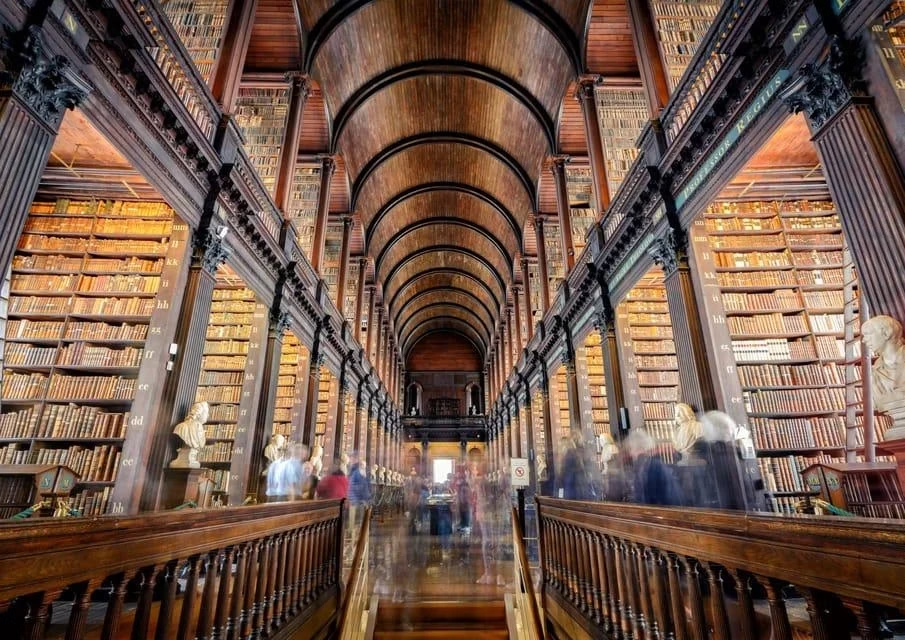
Ireland packs castles, cliffs, and pint-sized pubs into an island you can cross in a single day’s drive. Picking the best places to visit in Ireland gets easier once you know what each region actually offers and what it costs.
This guide walks through Dublin, the west coast, the south, and Northern Ireland. Every section includes 2026 prices pulled from official sources, so you can build a real budget instead of guessing.
Best Time to Visit Ireland in 2026
May and September consistently top local guides as the sweet spot. You get 14 to 16 hours of daylight, temperatures around 12 to 17°C, and accommodation prices running 20 to 30 percent below the July peak.
Summer brings the longest days and the biggest festivals, but also the highest prices and thickest crowds. If you’re set on June through August, book hotels three to six months out and target early morning visits at popular sites.
Dublin: Where Every Ireland Trip Begins
Most flights land in Dublin, and most itineraries should start there too. The city mixes Georgian architecture with a genuinely lively pub scene, and three attractions justify a full day on their own.
Book of Kells and Trinity College
The 1,200-year-old illuminated manuscript sits inside Trinity College’s Old Library. Self-guided Book of Kells tickets run from €21.50 for adults in 2026, and timed entry sells out days ahead in summer, so book online first.
Guinness Storehouse
Dublin’s most-visited paid attraction uses dynamic pricing, so adult tickets swing between €26 and €36 depending on the day and time slot you pick. Booking a weekday morning slot is usually the cheapest option.
Kilmainham Gaol
This former prison tells Ireland’s independence story better than any museum in the city. Tours are guided only and book out fast, so reserve at least a week ahead during peak season.
The Cliffs of Moher and the Wild Atlantic Way
County Clare’s cliffs are the single most photographed spot in the country, and they anchor the start of the 2,600-kilometer Wild Atlantic Way coastal route.
Cliffs of Moher Entrance Fee
Admission runs €7 to €12 per adult depending on your time slot, and booking an off-peak visit between 8am and 11am can bring that down to as low as €4. Parking is included in the ticket price.
Doolin and the Burren
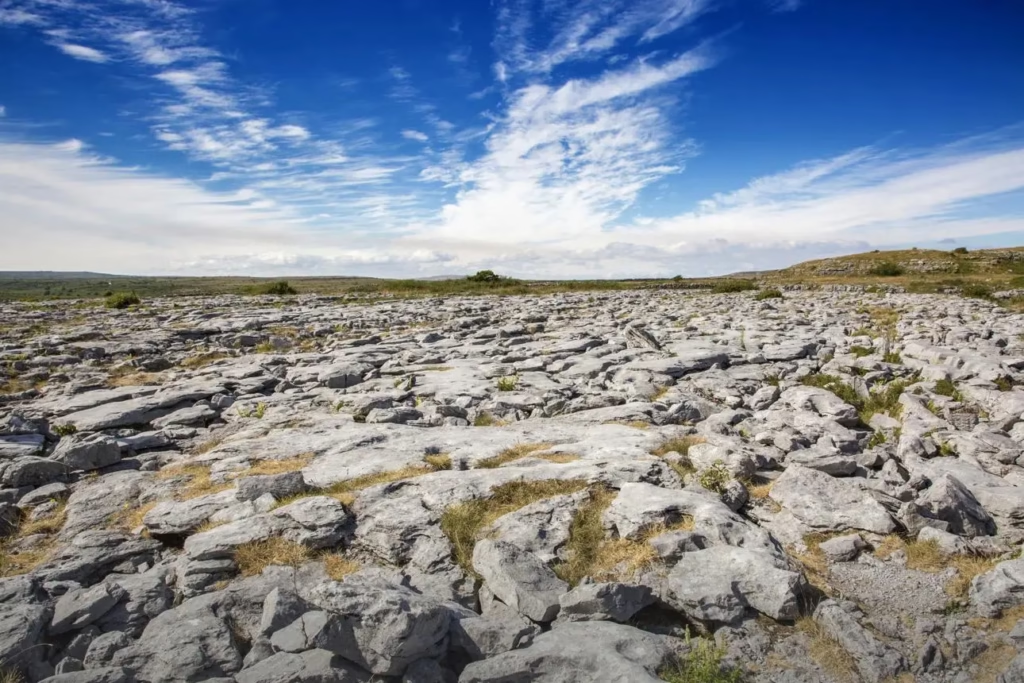
Skip the official viewpoint entirely by hiking in from Doolin village instead, since the coastal walk itself is technically free. You’ll trade the safety railings for a quieter, cheaper view of the same cliffs.
Killarney and the Ring of Kerry
Killarney National Park anchors the southwest and pairs a lakeside town with mountains, red deer, and one of Ireland’s oldest woodlands.
The Ring of Kerry Drive
This 179-kilometer looped route takes a full day by car and rewards an early start. Driving it clockwise avoids the worst of the tour bus traffic, which almost universally moves counterclockwise.
Galway and the Aran Islands
Galway’s cobbled streets and trad-music pubs make it the best base for reaching the Aran Islands by ferry. The city itself feels smaller and more walkable than Dublin.
Ferries to Inis Mór run daily in summer and drop to a reduced winter schedule, so check sailing times before booking a same-day return if you’re visiting outside June through August.



Cork and Blarney Castle
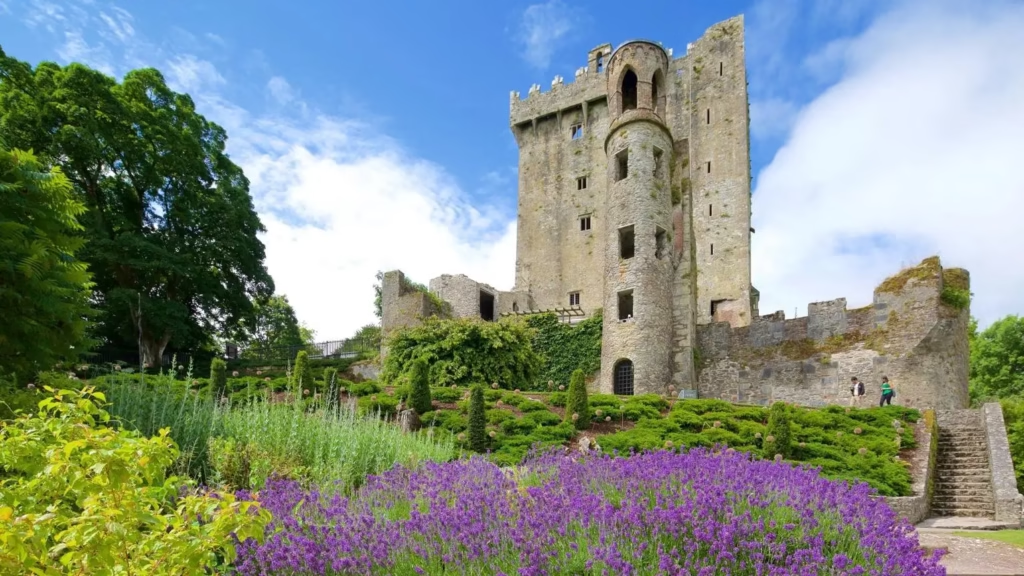
Cork City pairs the English Market with easy access to Blarney Castle, roughly 20 minutes away by car or bus. Kissing the Blarney Stone remains the main draw, but the surrounding gardens are worth the ticket alone.
Combined Cork and Blarney day tours from Dublin run a full 12 hours, so factor in an early departure if you’re doing this as a day trip rather than staying overnight in Cork.
Northern Ireland: Giant’s Causeway and Belfast
Northern Ireland belongs on every serious Ireland itinerary, even though it’s a separate country for entry purposes, since it’s part of the UK rather than the Republic.
Giant’s Causeway
The 40,000 interlocking basalt columns along this coastline formed from ancient volcanic activity. Entry to the causeway itself is free, though the visitor center and parking carry a separate charge.
Belfast and the Titanic Quarter
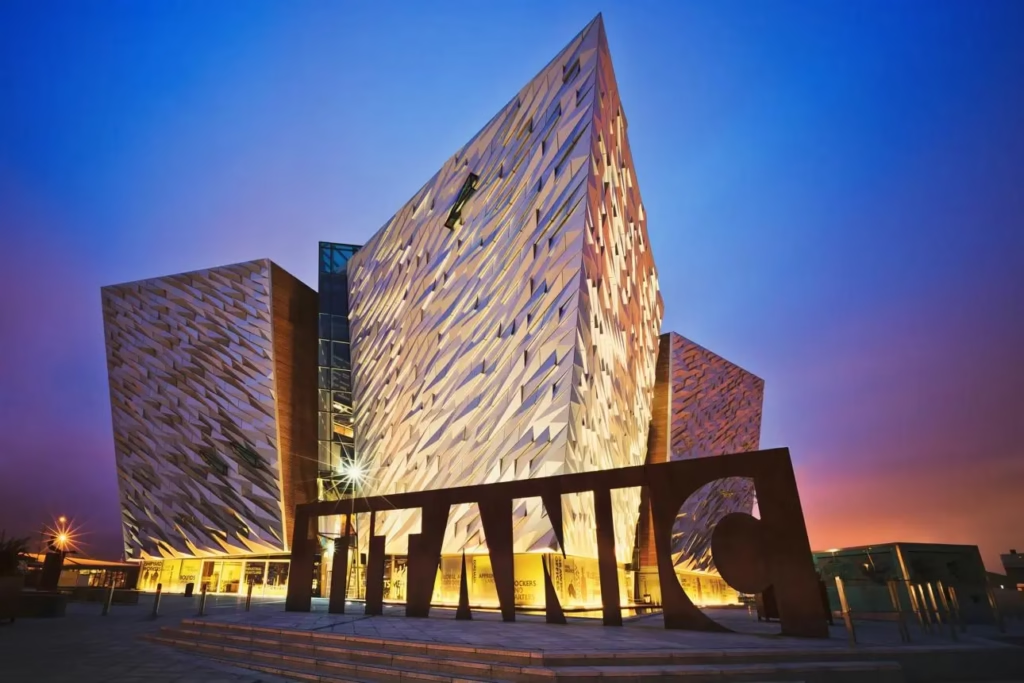
Belfast’s Titanic Experience sits on the actual shipyard where the ship was built. Pair it with a Causeway Coastal drive for one of the best two-day add-ons to a Republic of Ireland trip.
Entry Requirements for Ireland in 2026
Here’s what most guides get wrong: Ireland is not part of Schengen and does not participate in the EU’s new ETIAS system launching in late 2026.
If Ireland is your only stop, you don’t need it. But if you’re flying Dublin to Paris or Amsterdam afterward, you’ll need ETIAS approval before boarding that connecting flight. And if Northern Ireland is on your route, note that UK ETA has applied to most visa-exempt visitors since January 2025.
Frequently
Asked Questions
No. Ireland sits outside the Schengen Area and does not participate in ETIAS. You only need it if you're continuing on to a Schengen country like France or Spain.
Northern Ireland is part of the UK, so most visa-exempt travelers need a UK ETA, separate from any Irish entry requirement.
January and February typically run 40 to 60 percent below summer rates on flights and hotels, according to multiple 2026 travel guides.
Adult entry runs €7 to €12 depending on the time slot, dropping to around €4 for early morning off-peak bookings.
Both work well. May offers slightly drier weather and blooming wildflowers, while September brings quieter crowds once schools resume.
Budgeting for Your Ireland Trip
| Attraction | 2026 Adult Price |
|---|---|
| Cliffs of Moher | €7 to €12 |
| Book of Kells (self-guided) | From €21.50 |
| Guinness Storehouse | €26 to €36 |
| Giant’s Causeway visitor center | Separate parking/center fee, causeway itself free |
Prices bottom out in January, February, and November, running 20 to 40 percent below peak summer rates on both hotels and flights. If your dates are flexible, shoulder season gives you the best combination of value and good weather.
Call to Action
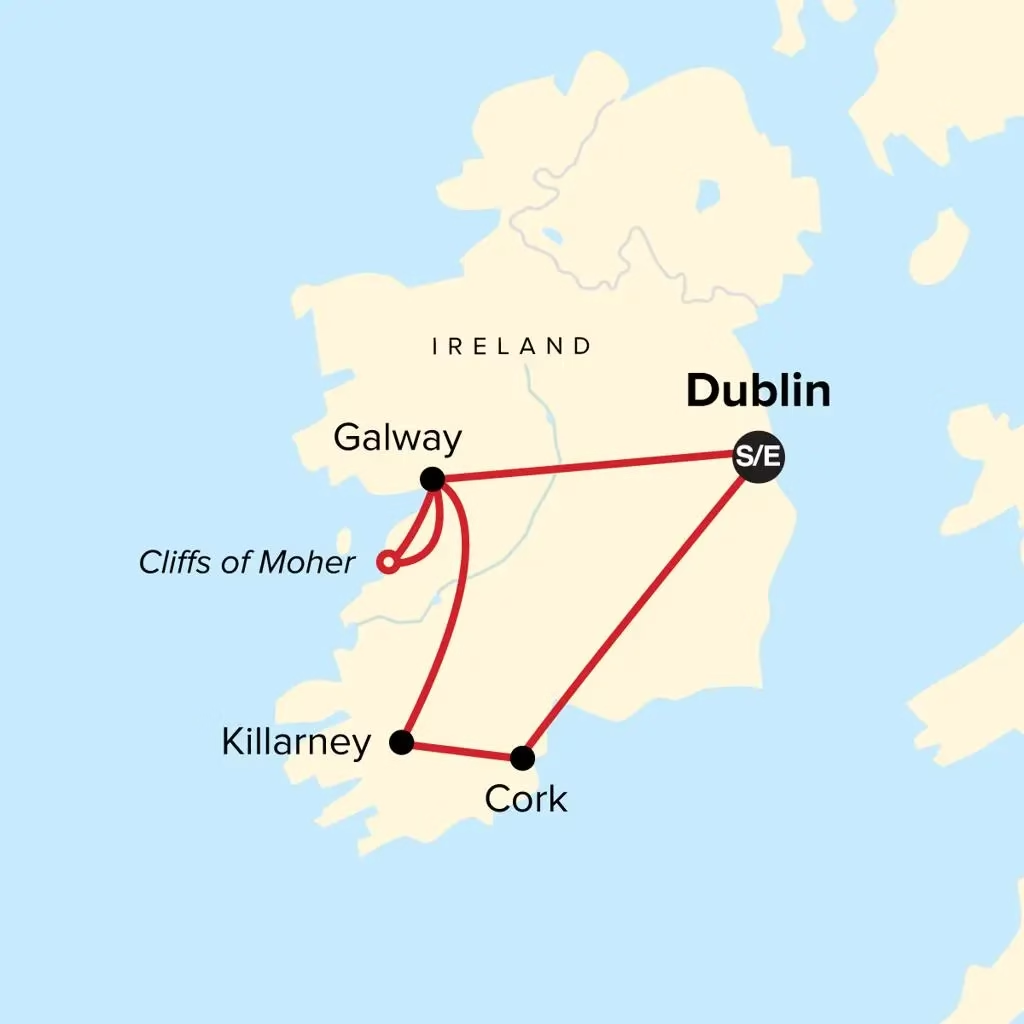
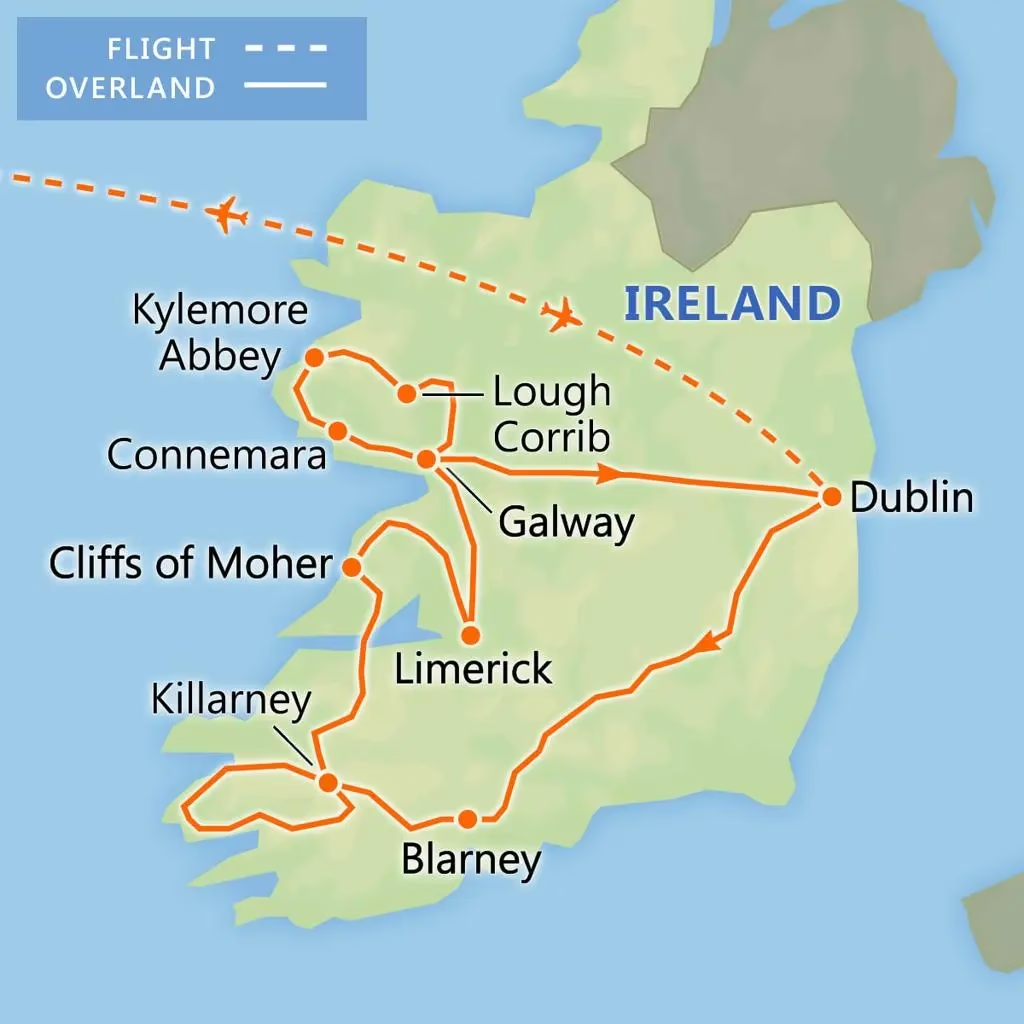
Dublin, the Cliffs of Moher, Killarney, Galway, Cork, and Belfast cover the country's highlights without requiring a three-week trip.
Book your Book of Kells and Guinness Storehouse slots ahead, and check whether ETIAS or UK ETA applies to your specific route before you fly.