
World Cup 2026 US Cities: Tickets, Hotels & Fan Survival Guide
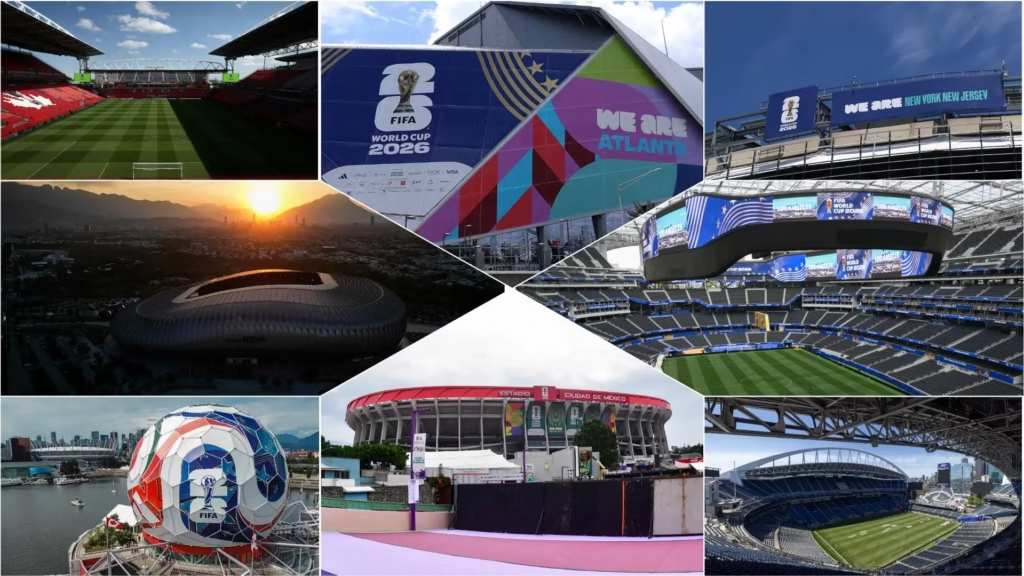
The biggest soccer tournament in history kicks off June 11, 2026, and if you’re planning to attend matches across the US host cities, you need a strategy. Tickets, Hotels & Fan Survival Guide Prices are real, scams are real, and the good hotel deals go fast. Here’s what actually works — based on fan experiences and on-the-ground research.
TICKETS: WHAT THEY COST AND HOW TO BUY SMART
Tickets are sold through FIFA.com/tickets in phases, with last-minute drops still available on a first-come, first-served basis. Here’s the honest price breakdown:
- Category 3 (group stage): $140–$250 — your budget-friendly entry point.
- Category 1 (premium group stage): $450–$990 — best sightlines and amenities.
- Knockout rounds and the Final: Resale prices routinely hit $7,000–$8,000+. The MetLife Stadium Final on July 19 will be the most expensive sporting ticket of the decade.
- Resale sweet spot: Some group stage matches actually dip below face value closer to the date—especially in secondary cities like Kansas City and Dallas, where demand is lower.
The 3 Ticket Mistakes That Will Cost You
- Buying only during the official draw and ignoring ongoing sales. Set alerts on FIFA.com and authorized resellers—tickets are added regularly.
- Skipping the FIFA app setup. All tickets are digital and transferred through the official app. Arriving without it ready means no entry.
- Overpaying during hype cycles. Resale spikes around team announcements and knockout confirmations. Buy before those moments or wait for them to pass.
Fan tip: For the MetLife Final, decide early whether you’re going. Waiting for a “deal” on the most-watched match in the tournament’s history won’t work.
Where to Stay: City-by-City Budget Reality
Accommodation prices vary dramatically depending on which city and which matches you attend. Here’s what to expect and how to beat the averages:
New York / New Jersey (MetLife Stadium — Final Venue)
Average hotel near the stadium: $350–$600+/night during match weeks. The July 19 final will push rates higher than any other date. Book now or consider commuting from outer boroughs—NJ Transit and PATH trains run extended service on match days. Fans staying in Newark or Jersey City report saving 40–50% versus Manhattan rates.
Los Angeles (SoFi Stadium)
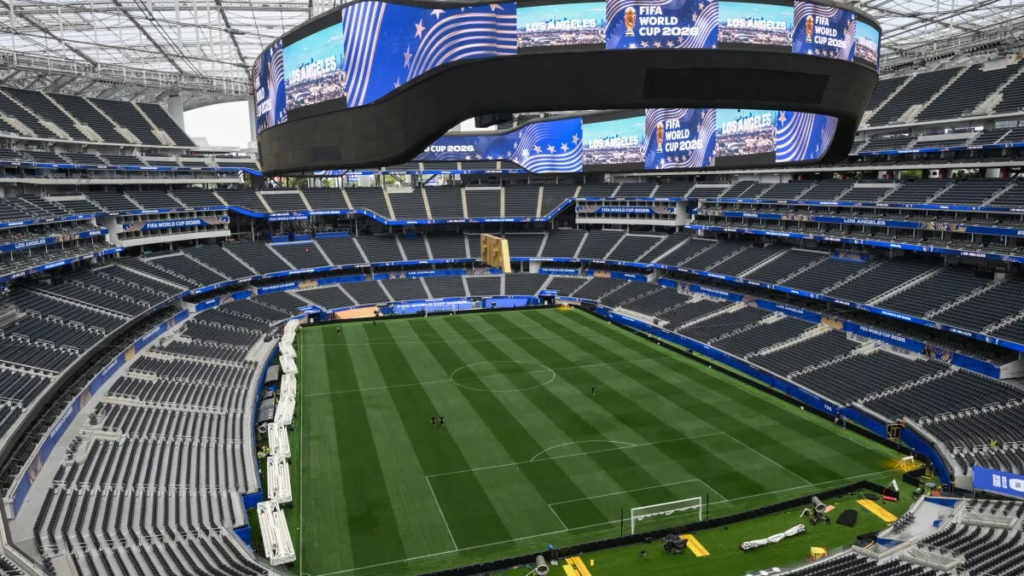
Glamorous on the surface, but book early near Exposition Park for Fan Festival access and easier transit. Budget hotels in Inglewood fill within weeks of schedule release. Consider Airbnbs in Culver City or Hawthorne — Uber to SoFi runs $15–$25 and avoids the $60–$80 parking nightmare.
Atlanta (Mercedes-Benz Stadium)
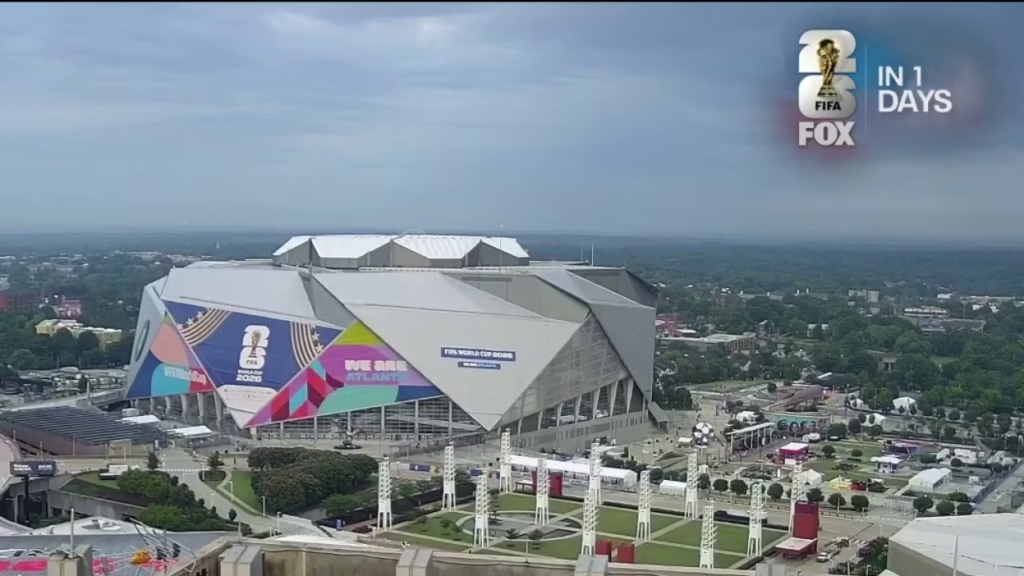
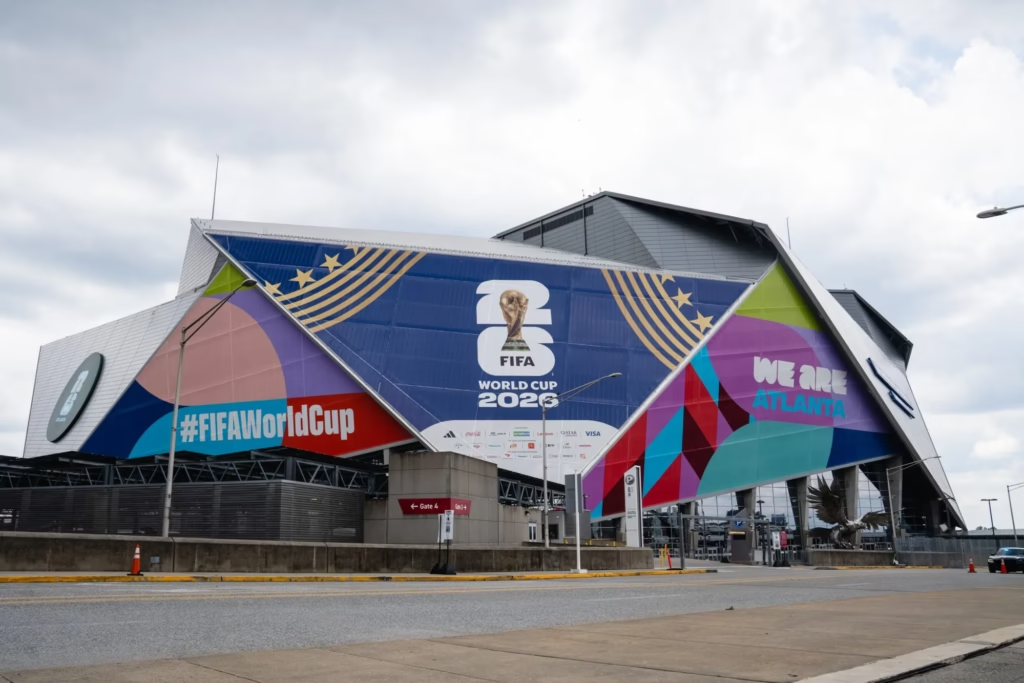
MARTA is your best friend here. A $2.50 ride from downtown gets you to the stadium while other fans are sitting in $75–$150 parking queues. Stay in Midtown or
Downtown — options in the $130–$190/night range are available if you book 3+ months out. Southern summer heat is real: hydration stations are set up throughout the venue.
Dallas (AT&T Stadium) & Houston (NRG Stadium)
Two of the most affordable US host cities. Average hotel rates sit around $150–$200/night even during match weeks. Strong local soccer cultures mean genuine fan atmospheres without the tourist markup. If budget is your primary concern, anchor your trip to Texas.
Kansas City
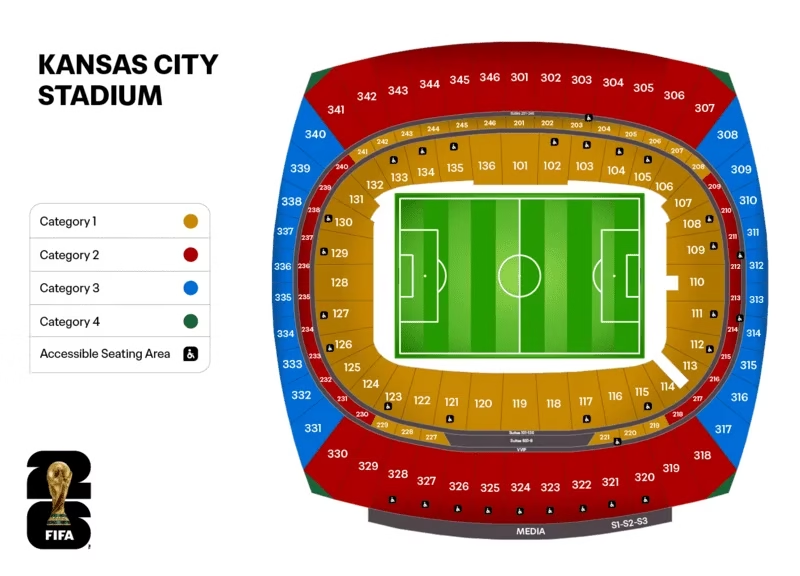
Arguably the best value of any US host city. Fans report hotel averages of $130–$170/night. The local soccer scene is passionate—Sporting KC fans make brilliant hosts. Less international tourist infrastructure also means shorter queues, friendlier prices, and a more authentic experience.
General rule: Book secondary cities (Dallas, Kansas City, Houston) early for the best value. Book New York and LA immediately—prices only go up.
Last-Minute Planning Survival Guide
If you’re reading this closer to June 2026, here’s your condensed action plan:
- Download the FIFA app now and link your account before ticket transfer deadlines.
- Compare ticket categories before paying resale prices — Category 3 often offers 80% of the experience at 30% of the Category 1 price.
- Use platforms with flexible cancellation in case team eliminations affect your plans.
- Skip meals near stadiums—food prices inflate 3x on match days. Eat beforehand in local neighborhoods.
- Get travel insurance. Medical disruptions, flight delays, and match cancellations happen. A $60 policy can save a $3,000 trip.
- Download offline maps of each city. Stadium zones get congested enough to kill mobile data speeds.
- For multi-city trips, book flights between host cities at least 6 weeks out — routes like Dallas to LA or Atlanta to New York fill fast during tournament weeks.
The fans who enjoy World Cup 2026 the most won’t be the ones who spent the most. They’ll be the ones who planned the most.
Free Fan Festivals: The Underrated Option
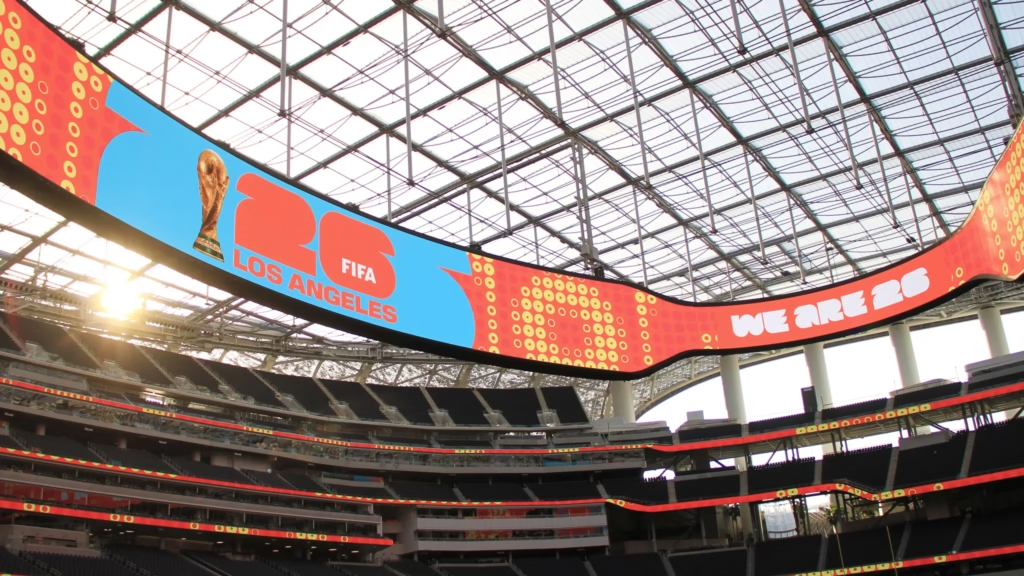
Every US host city runs an official fan festival—free entry, big screens, food vendors, and live entertainment. Cities include Atlanta, Boston, Dallas, Houston, Kansas City, Los Angeles, Miami, New York/New Jersey, and Philadelphia. If you can’t get match tickets or want to experience the atmosphere without the price tag, fan festivals are genuinely excellent. Arrive early: capacity limits apply on big match days.
Fan Safety: What You Actually Need to Know
All 11 US stadiums feature heightened security protocols for 2026. Practically, this means:
- Bring one sealed, unopened 20 oz water bottle where permitted—hydration stations are available inside all venues.
- Use official shuttle services and public transit over rideshare during match exit—surge pricing and gridlock make Uber/Lyft impractical for 30–60 minutes post-match.
- Stick to well-lit, high-traffic areas near stadium exits if attending evening matches.
- Download the local emergency services app for each city you visit.
- Don’t flash expensive camera equipment or large amounts of cash in stadium queues.
Standard precautions are sufficient in secured venue zones. The US host cities have extensive experience running large-scale sporting events.
You must buy through FIFA’s official ticketing platform on the FIFA website, where you create an account and purchase during designated sales phases on a first‑come, first‑served basis.
There are standard match tickets (by category and match), hospitality tickets with premium services, and official travel packages that bundle tickets with accommodation and sometimes flights
After the main sales, FIFA runs a Last‑Minute Sales Phase and operates an official resale/exchange platform where fans can resell tickets under FIFA rules, subject to availability.
Early “entry tier” prices for some group matches started around 60 USD, but in practice many remaining tickets now run around 200–400 USD or more depending on city, match, and category.
Prices rise steeply in the knockout rounds: quarterfinal Category 1 seats are around 1,360 USD, and final tickets can reach several thousand dollars for top categories.
Reports show some 2026 tickets are up to ten times higher than Qatar 2022; for example, the cheapest final ticket is about 2,030 USD versus roughly 206 USD in Qatar.
Category 1 is the best viewing area (usually sideline lower bowl); 2 and 3 are progressively further from prime views, and Category 4 is the budget option, often in upper tiers or behind the goals.
Yes. Host cities are organizing official FIFA Fan Festivals (or similar fan zones) with big screens, entertainment, and food; examples include Toronto’s FIFA Fan Festival and multiple fan zones in Los Angeles
Basic access in many fan zones is free, but some cities offer premium or reserved areas that require paid tickets or packages (e.g., premium fan festival tickets in Toronto
In many host cities, mid‑range hotels near stadiums are running roughly 200–400 USD per night on match days, with higher prices in prime locations or for 4–5 star properties.
Yes. Cities like New York/New Jersey, Los Angeles, the San Francisco Bay Area, and Mexico City tend to be more expensive, while some other host cities may have more mid-range availability at the lower end of that 200–400 USD band.
Because demand is very high and prices rise as availability shrinks, it is advisable to book as soon as your match tickets and travel dates are confirmed, ideally many months in advance.
Yes. Options include hostels, budget hotels farther from stadiums, short‑term rentals, or staying in nearby cities and commuting by train or car to the match city.
FIFA strongly recommends using only the official FIFA resale platform; buying from unauthorized resellers risks invalid or counterfeit tickets and possible stadium entry denial.