
75+ Best Travel Tips for Every Traveler: The Ultimate Guide to Smarter, Safer & Budget-Friendly Trips
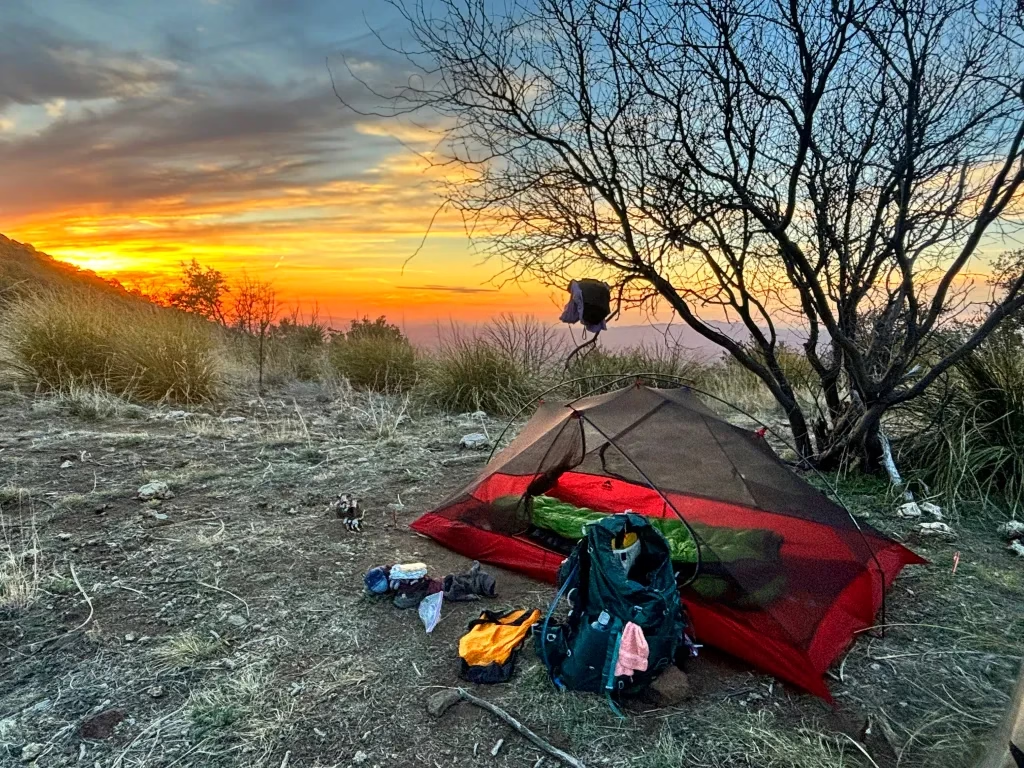
I’ve spent the last ten years bouncing between deserts, cities, and coastlines, and I’ve made nearly every travel mistake you can think of. I once missed a flight because I trusted a taxi driver’s “shortcut.” I’ve overpacked so badly my suitcase needed its own boarding pass.
Somewhere along the way, though, I picked up travel tips that actually work, the kind that save money, save time, and save your sanity. This guide rounds up more than 75 of them, organized so you can skip straight to what you need.
Whether you’re a first-timer or a seasoned road warrior, these best travel tips will make your next trip smoother than your last one.


Why Smart Travel Planning Makes Every Trip Better
Winging it sounds romantic until you’re standing in an airport at midnight with nowhere to sleep. I learned this the hard way in Lisbon, when I assumed hostels would have plenty of open beds during a holiday weekend. They didn’t. A little travel planning upfront doesn’t kill spontaneity; it protects it. When the boring logistics are handled, you’re free to say yes to that random invitation to a rooftop dinner.
That’s really the heart of this whole guide. Good smart travel tips aren’t about controlling every minute of your itinerary. They’re about removing the stress so you can actually enjoy where you are. Once you build a few smart habits, they become second nature, and every trip after that gets easier.
Essential Pre-Trip Planning Tips
Research your destination before you book
Before you commit to a destination, spend a few evenings reading about it. Check the weather patterns for your travel dates, local holidays that might close attractions, and any safety advisories. The U.S. State Department’s travel advisories page is a solid starting point for international trips.
Confirm your passport has at least six months of validity left, since many countries require this even if your actual stay is short. Look into visa requirements early too, because processing times vary wildly by country. Some Gulf and Asian nations issue visas on arrival, while others need weeks of advance paperwork.

Travel insurance deserves its own paragraph, honestly. It feels like an unnecessary expense until the moment you need it, like when a friend of mine broke her ankle in Thailand and insurance covered a $4,000 medical evacuation. Compare a few providers and read the exclusions closely, because not all policies cover adventure sports or pre-existing conditions.
Build a loose itinerary, not a rigid one. Pick two or three must-see anchors per day and leave room to wander. Overscheduling is one of the fastest ways to burn out on a trip that’s supposed to be fun.
| Pre-Trip Task | When to Do It |
|---|---|
| Check passport validity | 6+ months before travel |
| Apply for visa (if needed) | 4-8 weeks before travel |
| Buy travel insurance | Right after booking |
| Research local customs | 2-3 weeks before travel |
| Build loose itinerary | 1-2 weeks before travel |
Packing Tips Every Traveler Should Know
Pack light with a capsule wardrobe approach
A capsule wardrobe means picking clothes that mix and match, so ten items create fifteen outfits. Stick to two or three colors that pair easily, and choose fabrics that resist wrinkles. I swear by merino wool tops for long trips because they don’t hold odor the way cotton does.
Packing tips like this save you from lugging around a suitcase full of outfits you never wear. Roll your clothes instead of folding them, since rolling saves space and cuts down on creases.
Use packing cubes to stay organized
Packing cubes changed my travel life completely. Sort clothes by category, tops in one cube and bottoms in another, and you’ll never dig through a messy bag again at airport security. They also compress your clothes, which frees up serious suitcase space.
Always pack a change of clothes and basic toiletries in your carry-on, in case checked luggage gets delayed or lost. Bring a portable laundry bag too, since doing a sink wash in your hotel room can stretch a five-day wardrobe into a two-week trip.
Money-Saving Travel Tips
Book flights on the right day and time
Flight prices fluctuate based on demand, and Tuesday afternoons tend to show lower fares because fewer people are actively shopping then. Booking six to eight weeks ahead for domestic flights and two to four months ahead for international routes usually finds the
sweet spot between availability and price.
Use flexible date search tools, since shifting your trip by even one day can save you over $100. Budget travel doesn’t mean sacrificing comfort; it means being strategic about timing.
Use points, miles, and cashback strategically
Credit card travel rewards can genuinely fund entire trips if you use them right. Pick one or two cards that match your spending habits and stick with them long enough to build up meaningful points. Airline mileage programs and hotel loyalty programs stack on top of card rewards too.
Travel during shoulder season, the weeks just before or after peak tourist months, and you’ll find lower hotel rates plus smaller crowds at major attractions. Eating where locals eat instead of restaurants near tourist landmarks also cuts food costs dramatically, often by half.
| Money-Saving Strategy | Potential Savings |
|---|---|
| Book flights on Tuesday | 5-15% |
| Travel shoulder season | 20-30% on hotels |
| Eat away from tourist areas | 40-50% on meals |
| Use points/miles | Varies, sometimes free flights |
| Use public transit over taxis | 60-80% on local transport |
Travel Safety Tips for Any Destination
Share your itinerary with someone at home
Send a trusted friend or family member your flight details, hotel addresses, and rough daily plans. This simple step means someone always knows roughly where you are, which matters more than people realize until something goes wrong.
Travel safety starts with basic awareness. Keep photocopies of your passport and important documents separate from the originals, and store digital copies in cloud storage you can access from anywhere.
Know local emergency numbers before you land
Every country has different emergency numbers, and 911 doesn’t work everywhere. A quick search before you land can save critical minutes in an actual emergency. Register with the State Department’s STEP program for international trips, since it alerts you to safety updates and helps them locate you if needed.
Watch out for common scams, like fake police officers demanding “fines” or overly friendly strangers offering unsolicited help with your luggage. As travel safety expert Rick Steves puts it in his guides, staying alert without being paranoid is the real skill worth developing.
Smart Travel Habits That Improve Every Trip
Learn a few local phrases wherever you go
Even five basic phrases, hello, thank you, please, excuse me, and how much, change how locals treat you. It signals respect, and people often go out of their way to help travelers who make the effort.
Adjust to the new time zone before you even land by shifting your sleep schedule a few days early. Once you arrive, get sunlight immediately and avoid napping the first day, since this resets your internal clock faster than any supplement claims to.
Staying flexible when plans change, missed trains, closed museums, sudden rain, keeps frustration from ruining an otherwise great day.
Smart Travel Habits That Improve Every Trip
Learn a few local phrases wherever you go
Even five basic phrases, hello, thank you, please, excuse me, and how much, change how locals treat you. It signals respect, and people often go out of their way to help travelers who make the effort.
Adjust to the new time zone before you even land by shifting your sleep schedule a few days early. Once you arrive, get sunlight immediately and avoid napping the first day, since this resets your internal clock faster than any supplement claims to. Staying flexible when plans change, missed trains, closed museums, sudden rain, keeps frustration from ruining an otherwise great day.

Flight and Airport Travel Tips
Check in early to snag better seats
Online check-in opens 24 hours before most flights, and checking in right when it opens often gets you better seat options before they fill up. Airlines also sometimes release upgraded seats closer to departure, so keep checking the app.
Programs like TSA PreCheck and Global Entry cut security wait times dramatically for U.S. travelers, and the application fee pays for itself after just one or two stressful airport mornings. For layovers, aim for at least 90 minutes domestically and two hours internationally, especially if you’re switching terminals or clearing customs.
Pack essentials like medication, chargers, and a change of clothes in your personal item, never checked luggage, so a delay doesn’t leave you stranded without necessities.
Technology and Travel Apps That Make Trips Easier
Download offline maps before you land, since travel apps like Google Maps let you save entire city maps for use without data or wifi. Translation apps with camera-scanning features turn confusing foreign menus and signs into instant, readable text.
Currency converter apps prevent overpaying at markets where prices aren’t clearly listed, and eSIM apps let you get local data instantly instead of hunting for a SIM card shop after a long flight.
Sustainable and Responsible Travel Tips
Sustainable travel starts with small daily choices. Bring a reusable water bottle and shopping bag to cut down on plastic waste, and choose accommodations with visible sustainability practices when you can.
Spend money at family-run restaurants and local markets instead of international chains, since this keeps tourism dollars circulating in the community you’re visiting. Respect local customs around dress and behavior, particularly at religious sites, and always ask permission before photographing people you don’t know.
Common Travel Mistakes to Avoid
Overpacking tops the list of travel mistakes, and most people realize it the moment they’re dragging an overweight suitcase up cobblestone streets. Over-scheduling every hour of every day leaves no room for the unexpected discoveries that often become trip highlights.
Skipping travel insurance to save a small upfront cost can turn into a massive expense if anything goes wrong. Exchanging currency at airport kiosks instead of banks or ATMs also quietly drains your budget through poor exchange rates and hidden fees.
Frequently Asked Questions About Travel Tips
Start with the basics: research your destination, buy travel insurance, pack light, and share your itinerary with someone at home. These four habits prevent most common travel headaches.
Book flights during off-peak times, travel during shoulder season, eat where locals eat, and use points or miles when possible. Small choices add up to significant savings over a full trip.
Choose beginner-friendly destinations first, stay in social accommodations, trust your instincts, and check in regularly with someone back home.
Pack a change of clothes, basic toiletries, medication, and chargers in your carry-on, regardless of how long your trip is. This protects you if checked luggage gets delayed.
Yes. Medical emergencies and trip cancellations can happen on any trip length, and the cost of insurance is small compared to the potential expense of going without it.
Ten years of travel taught me that the best trips aren’t the ones that go perfectly. They’re the ones where you’re prepared enough that small hiccups don’t derail the whole experience. Pick a handful of these tips that fit your next trip, and build from there. Your future self, standing in some unfamiliar airport at midnight, will thank you.