
The Longest Total Eclipse on Land Until 2114
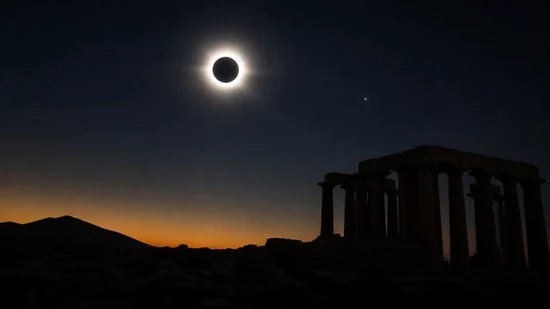
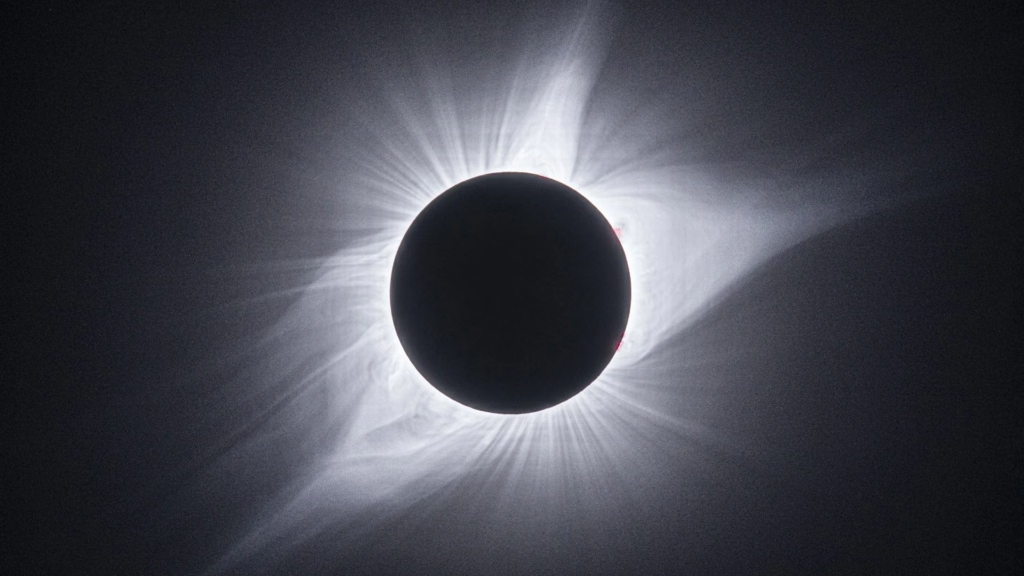
On Monday, August 2, 2027, the Moon will block the Sun for up to 6 minutes and 23 seconds, the longest total solar eclipse visible from land since 1991 and the longest until 2114. For a few minutes, midday will turn to twilight, temperatures will drop, and the Sun’s corona will appear around a black disc.
The path crosses southern Spain, northern Morocco, Algeria, Tunisia, Libya, Egypt and Saudi Arabia, then continues over Yemen and Somalia. Where you stand decides everything: totality lasts under five minutes in Spain but over six in Luxor. Saudi Arabia’s western coast also falls inside the path, reportedly its first total eclipse in around 75 years.
This guide compares the best places, gives local times, explains what you will see from cities outside the path, and covers the practical risks: dust, heat, and eye safety.
Quick Answer: Best Places to See the 2027 Eclipse
- Longest totality: Luxor, Egypt (about 6 minutes 20 seconds)
- Best for Gulf travellers: Jeddah, Saudi Arabia (about 6 minutes)
- Best for Europeans: Tarifa or Cádiz, Spain (about 4 minutes 39 seconds)
- Best for culture plus eclipse: Tangier, Morocco (about 4 minutes 50 seconds)
One reputable ranking that combines totality length with predicted cloud cover puts Luxor first, followed by Asyut, Sfax, Benghazi, Mecca, and Jeddah.
RECENT POST
Where and When Will the 2027 Eclipse Be Visible?
The Moon’s shadow enters Spain and the Strait of Gibraltar in the morning, crosses North Africa, and reaches Egypt and the Red Sea around midday. The greatest eclipse is near Luxor, roughly 60 km southeast of the city.
Only the narrow path of totality sees the Sun completely covered. Everywhere else, including Cairo, Medina, Riyadh, and Dubai, sees a partial eclipse only.
Totality Times by City
Figures vary by a few seconds between sources, so treat them as approximate and confirm your exact spot before booking.
Location | Totality | Approx. local time | Notes |
|---|---|---|---|
Luxor, Egypt | ~6 min 20 s | ~1:02 pm | Sun ~82° high |
Jeddah, Saudi Arabia | ~6 min | ~1:22 pm | Sun: ~77° high |
Benghazi, Libya | ~6 min 7 s | Midday | Travel advisories apply. |
Mecca, Saudi Arabia | ~5 min 10 s | ~1:23 pm | Closed to non-Muslims |
Tangier, Morocco | ~4 min 50 s | Morning | Near Strait of Gibraltar |
Tarifa, Spain | ~4 min 39 s | ~10:45 am | The sun is lower in the east. |
The longest Saudi totality is reported on the coast south of Jeddah, at around six minutes.
Luxor, Egypt: Best for Longest Totality
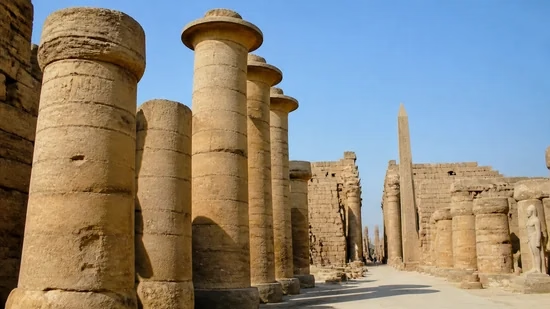
Luxor sits almost exactly at the point of greatest eclipse, with the Sun nearly overhead. August skies are usually clear, so cloud risk is very low.
The real concerns are heat and dust. Temperatures often exceed 40°C, and haze can soften the view. Hotel demand will be intense, so book refundable rooms early. Consider the East Bank for hotels and the West Bank for quieter viewing.
Saudi Arabia: Best for Gulf Travellers
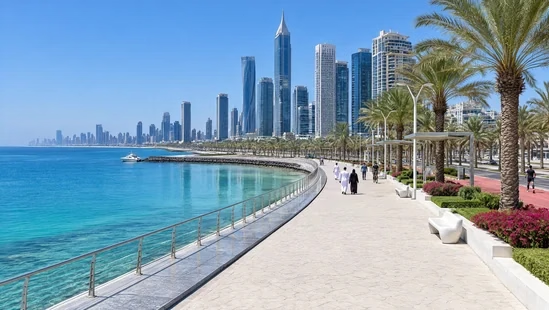
Jeddah offers about six minutes of totality on the Red Sea coast, with modern hotels, airport access, and a high sun angle. Mecca gets around five minutes but is closed to non-Muslims, so most visitors should choose Jeddah or the coast south of it.
If you live in Madinah, Riyadh, Dubai, or Abu Dhabi, you are outside the path and will see a deep partial eclipse (Medina about 94%). The Haramain high-speed rail links Madinah and Jeddah, so a day trip is realistic. Check current timetables, and plan to arrive the day before.
Spain: Best for European Travellers
Tarifa, Cádiz, Málaga, and Gibraltar are all inside the path. Totality is shorter, about 4 minutes 39 seconds at Tarifa, but flights are plentiful and the coast is easy to combine with a summer holiday.
The sun is lower in the sky in the morning, so choose a spot with a clear eastern horizon. Beaches and hill viewpoints will be crowded.
Morocco: Best for Culture Plus Eclipse
Tangier combines about 4 minutes 50 seconds of totality with medinas, markets and a ferry link to Spain, so you could watch from either side of the Strait.
Local crowds, cloud conditions, and your exact vantage point matter more here than the few extra seconds, so scout a viewing location in advance.
Tunisia, Libya, and Algeria: Long Totality, Higher Planning Risk
Sfax in Tunisia and Oran in Algeria lie inside the path, and Benghazi in Libya gets about 6 minutes 7 seconds. These are strong options for experienced eclipse chasers, but check government travel advice, visa rules, and security conditions carefully before committing.
Algiers, Tunis, and Tripoli sit just outside the path, with roughly 97 to 99.9% partial coverage, which is close but not total.
What Will You See from Outside the Path?
A 95% partial eclipse is impressive but very different from totality: daylight dims slightly, yet the sun never fully disappears, and the corona stays invisible. Cairo sees about 95%, Medina about 94.5%, Algiers and Tripoli close to 99.9%, and Tunis about 97%.
If you want the real experience, travel into the path. Partial-only viewers must wear eclipse glasses for the entire event.

How to Plan Your Eclipse Trip
- Book early and keep it flexible. Choose refundable hotels and flights.
- Arrive the day before. Delays, traffic, and last-minute weather checks need a buffer.
- Scout your spot. Look for a clear view of the sun and easy access to transport and shade.
- Check visas and entry rules. Rules differ for Saudi Arabia, Egypt, Morocco, and Libya.
- Prepare for traffic. Expect heavy roads on eclipse day in popular areas.
Sample 3-Day Luxor Eclipse Itinerary
- Day 1 (arrival): Arrive, check in, and visit Luxor Temple in the evening.
- Day 2 (eclipse day): Early start for Karnak or the Valley of the Kings before the heat. Be at your viewing spot well before 1:02 pm, glasses ready, with water and shade.
- Day 3: Temple of Hatshepsut and the Colossi of Memnon, then a Nile felucca ride at sunset.
Budget-Friendly Eclipse Viewing
You don’t need a pricey tour. A modest hotel, reliable transport, and a safe open viewing spot give the same view. Gulf residents can save by choosing Jeddah over flying abroad, and Europeans can combine a Spain trip with budget flights.
Avoid paying a premium for “eclipse packages” without checking exactly where you will be standing.
How to Watch the Eclipse Safely
Wear certified eclipse glasses meeting the ISO 12312-2 standard during all partial phases. Ordinary sunglasses are not safe. You may remove them only during totality and must put them back on the moment the bright sun reappears.
Never look at the sun through a camera, phone, binoculars, or telescope without a proper solar filter. Heat is a real hazard in Egypt and Saudi Arabia in August, so carry plenty of water, wear light clothing, and shade your electronics.
Dust, Haze, and Weather: The Real Risk
Cloud is rare in August across Egypt and Arabia, but dust and haze can reduce clarity. Check forecasts the day before, keep a backup viewing location within the path, and don’t rely on a single spot.
Final Tips
This is a once-in-a-lifetime eclipse. Choose a location inside the path, arrive early, keep your bookings flexible, wear certified glasses, and plan for heat and dust. Whether you pick Luxor for the longest totality, Jeddah for convenience, or Spain and Morocco for an easy trip, you will see the sun disappear in the middle of the day.
Sources to cite: NASA Goddard eclipse data, timeanddate.com eclipse path pages, and Space.com eclipse guide. Confirm times again closer to the date.
Frequently Asked Questions
Luxor, Egypt, is the top choice for longest totality and very clear skies. Jeddah is the best choice for Gulf travelers, and Spain and Morocco suit short European trips.
The maximum is about 6 minutes 23 seconds near Luxor. Jeddah gets about six minutes, Tangier about 4 minutes 50 seconds, and Tarifa about 4 minutes 39 seconds.
Yes. Jeddah and Mecca, along the Red Sea coast, are inside the path. Medina and Riyadh see a partial eclipse only.
Both are partial-only locations. Medina sees about 94% coverage for total travel to Jeddah.
The next is July 22, 2028, visible over Australia and New Zealand.