Japan

Japan Rail Pass 2027: Still Worth It After Fare Rises?

November 25, 2026 • Yasmeen • 9 min read
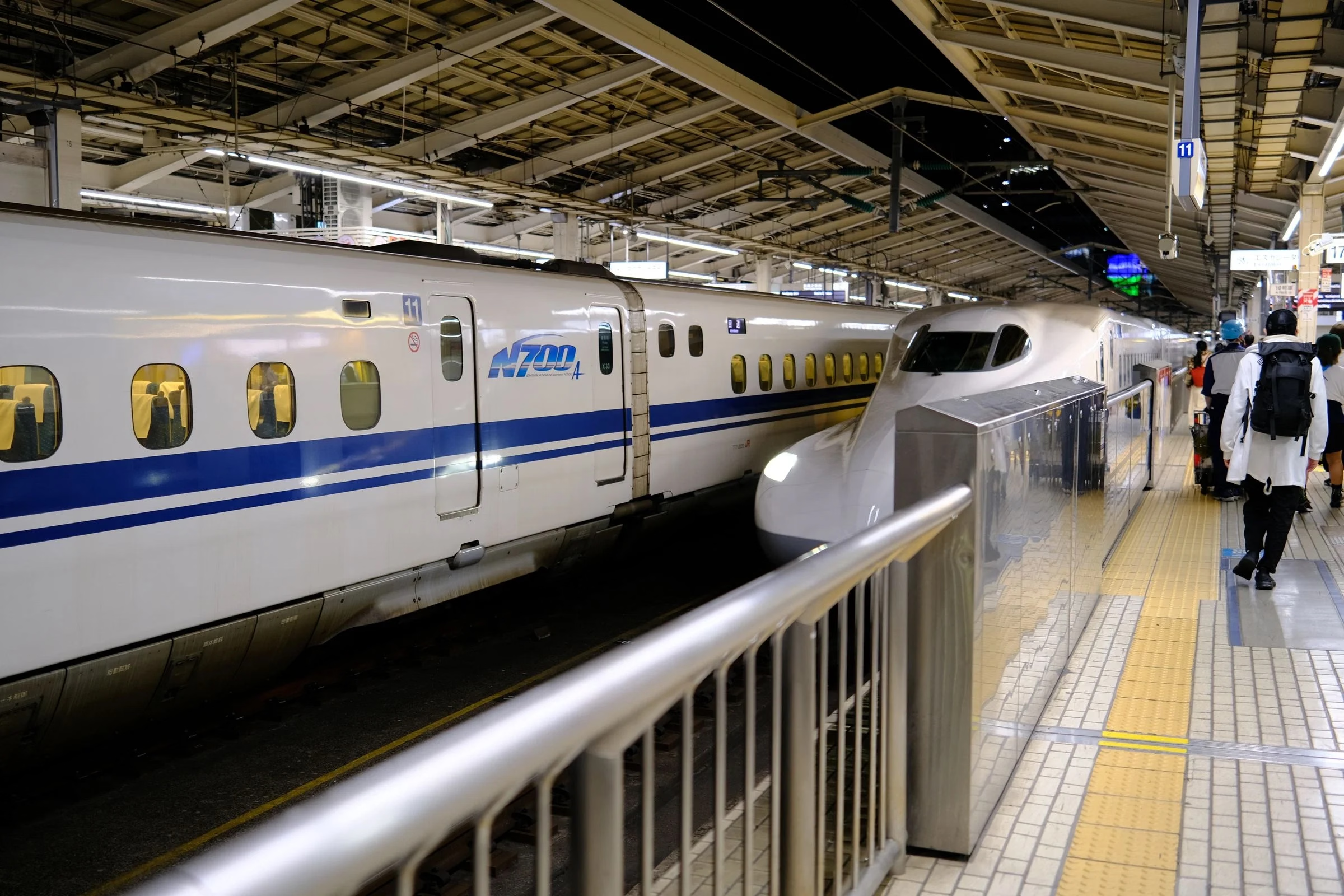
Two N700 Shinkansen bullet trains waiting at a platform in Tokyo Station Japan
Japan Rail Pass 2027

Short answer: Japan Rail Pass 2027 costs ¥50,000 for seven days on the official JR site, and ¥53,000 through an overseas agency. It pays for itself only when your long distance legs add up past that price, so a simple Tokyo to Osaka return does not break even. Ride Hikari trains and add a third long leg to make it pay.

Picture this. It is your first morning in Japan. You are standing at Tokyo Station with a green ticket in your hand and a board above you full of train names you half recognise. Nozomi, Hikari, Kodama. The fastest train leaves in six minutes, and the question in the back of your mind is the one that matters most. Did I just spend ¥50,000 on the right ticket?

That question is sharper in 2027 than ever. Fares on the fastest trains rise in July, Green Car fares rise in December, and the pass costs more through an agency than on the official site. This guide gives you the exact prices and the simple maths.

Table of Contents

  1. What the Japan Rail Pass Costs in 2027
  2. What Rises on 1 July 2027
  3. The Green Car Rise from 15 December 2027
  4. The Maths: Three Trips, Three Answers
  5. When the Pass Pays for Itself
  6. When to Skip the National Pass
  7. Your Japan Rail Checklist
  8. Frequently Asked Questions
  9. The Bottom Line

1. What the Japan Rail Pass Costs in 2027

The seven day ordinary pass costs ¥50,000 on the official JR site at japanrailpass.net, and ¥53,000 through an overseas agency. That gap has been in place since 1 Oct 2026, and it is worth ¥3,000 before you even board a train. The ¥50,000 online price is a limited time freeze with no published end date, so check the official site before you buy.

That is the simple version of Japan Rail Pass 2027: one fixed price for seven days of near unlimited travel on JR trains across the country. It covers the Shinkansen bullet trains, limited express trains, rapid trains and local trains, plus the Hikari and Kodama trains on the same Tokyo to Osaka line, and the Tokyo Yamanote line and the Osaka Loop line, so your city travel rides on the same ticket.

There is one big exception. The pass does not cover any seat on Nozomi and Mizuho trains on the Tokaido, Sanyo and Kyushu Shinkansen lines, reserved or unreserved. To ride one, you buy a separate Nozomi Mizuho ticket sold only to pass holders, before boarding, for each ride. On the official site those tickets cost ¥4,960 from Tokyo to Shin Osaka, ¥4,180 from Tokyo to Nagoya, and ¥6,500 from Tokyo to Hiroshima.

2. What Rises on 1 July 2027

JR Central and JR West announced the rises together on 16 Oct 2026. Nozomi and Mizuho reserved seat fares rise for tickets bought from 1 July 2027, and bought is the key word. A ticket bought on 30 June for August travel still costs the old fare. A ticket bought on 1 July costs the new one.

Route, Nozomi reserved seatFare nowFare for tickets bought from 1 July 2027
Tokyo to Shin Osaka¥14,720¥15,420, a rise of ¥700
Tokyo to Nagoya¥11,300¥11,880, a rise of ¥580
Tokyo to Hiroshima¥19,760¥20,620, a rise of ¥860

Here is the good news. Hikari and Kodama reserved seats do not rise at all, and neither do any unreserved seats. The Hikari runs the same line as the Nozomi, stops at a few more stations, and takes a little longer, but your pass covers it in full. If your trip is built on Hikari trains, 1 July 2027 changes nothing for you.
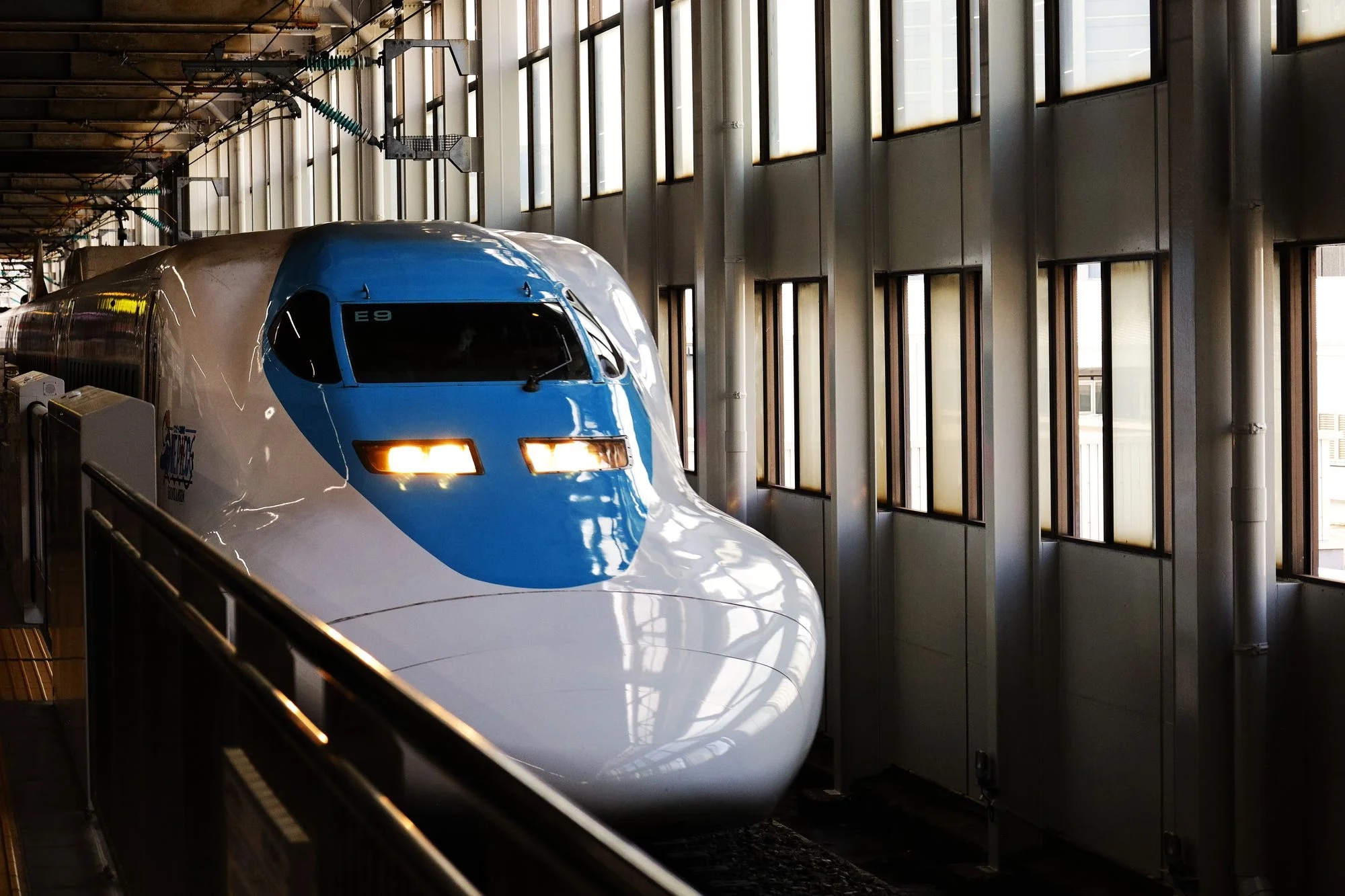
A blue and white Shinkansen bullet train waiting at a station platform in Hiroshima Japan

Pro Tip: If you want Nozomi seats, buy those tickets before 1 July 2027. The old fare is locked in when you pay.

3. The Green Car Rise from 15 December 2027

The second rise works differently. Green Car fares rise for travel from 15 December 2027, and travel is the key word here, not bought. A ticket bought in November for 20 December travel costs the new fare, even though you paid weeks early.

The headline figure is Tokyo to Shin Osaka in a Green Car, which rises from ¥19,590 to ¥23,290, a rise of ¥3,700, a much bigger jump than the Nozomi rise, landing in the middle of the winter travel season. Green Car is the roomier seat with more space and a quieter car, but it is a comfort choice, not a money saving choice, and an ordinary pass covers ordinary seats, not Green Car seats. If you travel in Green Car from mid December, budget the new fare.

4. The Maths: Three Trips, Three Answers

Now the part that decides it. Add up your long legs, compare the total with ¥50,000, and the answer is in front of you. Here are three trips on Nozomi reserved seats.

Trip A is the trip most first time visitors plan: Tokyo to Osaka and back, two legs at ¥14,720 each, ¥29,440 in all, and even after the July rise the return comes to ¥30,840, about ¥20,000 short of the pass. Trip B goes further, Tokyo to Hiroshima and back, two legs at ¥19,760 each, ¥39,520 in all, still ¥10,480 short of the pass before July. Neither return on its own pays for the pass.

Trip C is the one that tips it. Add a single Tokyo to Osaka leg at ¥14,720 to the Hiroshima return at ¥39,520, and the total is ¥54,240, which is ¥4,240 past the pass price. From July the same three legs come to ¥56,660.

Those totals are single ticket prices for Nozomi trains. With a pass you would ride Hikari instead, and Hikari is covered in full, so the pass really does save you the whole ¥54,240 on Trip C. Insist on Nozomi with a pass, and the separate ticket each time adds ¥17,960, taking the real cost to ¥67,960, more than the single tickets alone.

Pro Tip: Count your long legs before you buy. Two long legs is not enough. Three long legs is where the pass starts to earn its price.

5. When the Pass Pays for Itself

The rule is one line long. If your long distance legs add up to more than ¥50,000 inside seven days, buy the pass. If not, buy single tickets. Everything else is just working out which side of that line your trip falls on.

The pass pays when your trip keeps moving. A week that runs Tokyo to Hiroshima, back to Tokyo, and on to Osaka is a pass trip. A week that hops between three or four cities is a pass trip, because every long leg adds to the total and the pass never asks for more.

A quiet traditional street with wooden houses in the historic district of Kyoto Japan

Our Japan 2027 travel guide shows what to do once you arrive in Kyoto.

Pro Tip: Build your trip around three long legs, not two. The third leg is the one that turns the pass from a cost into a saving.

6. When to Skip the National Pass

Sometimes the honest answer is to skip it. A pass you do not use enough of is just an expensive souvenir, and single tickets are often the smarter buy.

Skip the national pass when your trip has one base and one return journey. Tokyo to Osaka and back is ¥29,440 before July, and no pass can beat that. Skip it when your trip is short and your legs are few. Skip it when you fly between cities, because a flight does not add a yen to your rail total.

Look at a regional pass instead if your trip stays in one area. A regional pass covers one part of the country and is priced for that area, so a week in Kansai or Kyushu alone may suit a regional pass far better than the national one.

And look at single tickets with fresh eyes. A single ticket on a Hikari train needs no pass, and gets you to the same city, just a little slower and a lot cheaper.

7. Your Japan Rail Checklist

Run through this list before you pay. It takes five minutes and it can save you ¥20,000.

  1. Add up your long legs. If the total is under ¥50,000, skip the pass and buy single tickets.
  2. Buy on japanrailpass.net, where the seven day pass costs ¥50,000, not ¥53,000 through an overseas agency.
  3. If you want Nozomi seats after July, buy those tickets before 1 July 2027, while the old fare still applies.
  4. Ride Hikari and Kodama trains with the pass. Nozomi and Mizuho need a separate ticket for each ride, bought before you board.
  5. If you travel in a Green Car from 15 December 2027, budget for the new fare.
  6. Remember the ¥50,000 online price is a limited time freeze. Check the official site before you buy.

8. Frequently Asked Questions

Is the Japan Rail Pass worth it in 2027? It depends on how much you ride. A Tokyo to Osaka return costs about ¥29,440, so the ¥50,000 pass only pays when your trip adds up to three long legs or more.

How much does the pass cost in 2027? ¥50,000 for seven days on the official site, japanrailpass.net. An overseas agency charges ¥53,000 for the same pass, and the ¥50,000 online price is a limited time freeze.

Does the pass cover Nozomi trains? No. The pass does not cover any seat on Nozomi and Mizuho trains. You can buy a separate pass holder ticket for each ride, or ride a Hikari train instead.

What rises on 1 July 2027? Nozomi and Mizuho reserved seat fares rise on 1 July 2027. Tokyo to Shin Osaka becomes ¥15,420, Tokyo to Nagoya ¥11,880, and Tokyo to Hiroshima ¥20,620. Hikari and Kodama fares and all unreserved seats do not rise.

Do Hikari fares rise too? No. Hikari and Kodama reserved seats do not rise at all, and neither do any unreserved seats. Only Nozomi and Mizuho reserved seats rise on 1 July 2027.

What is the Green Car rise? Green Car fares rise for travel from 15 December 2027. Tokyo to Shin Osaka in a Green Car rises from ¥19,590 to ¥23,290.

Where should I buy the pass? On the official site, japanrailpass.net, where the seven day pass costs ¥50,000. An overseas agency charges ¥53,000 for the same pass.

9. The Bottom Line

The Shinkansen is still one of the great joys of travel. The only question is which ticket you spend it on. Japan Rail Pass 2027 is not a bargain for everyone any more, and that is fine. It is a bargain for the traveller who keeps moving, who counts three long legs, rides Hikari and buys on the official site. Check your legs, add them up, and let the numbers decide. Then buy the right ticket and enjoy the ride.

Scroll to Top
TripCost without a pass, before 1 July 2027Cost without a pass, from 1 July 2027Verdict on the ¥50,000 pass
Tokyo to Osaka and back¥29,440¥30,840Pass loses by about ¥20,000
Tokyo to Hiroshima and back¥39,520¥41,240Pass still loses
Tokyo to Hiroshima and back, plus a single Tokyo to Osaka leg¥54,240¥56,660Pass wins